

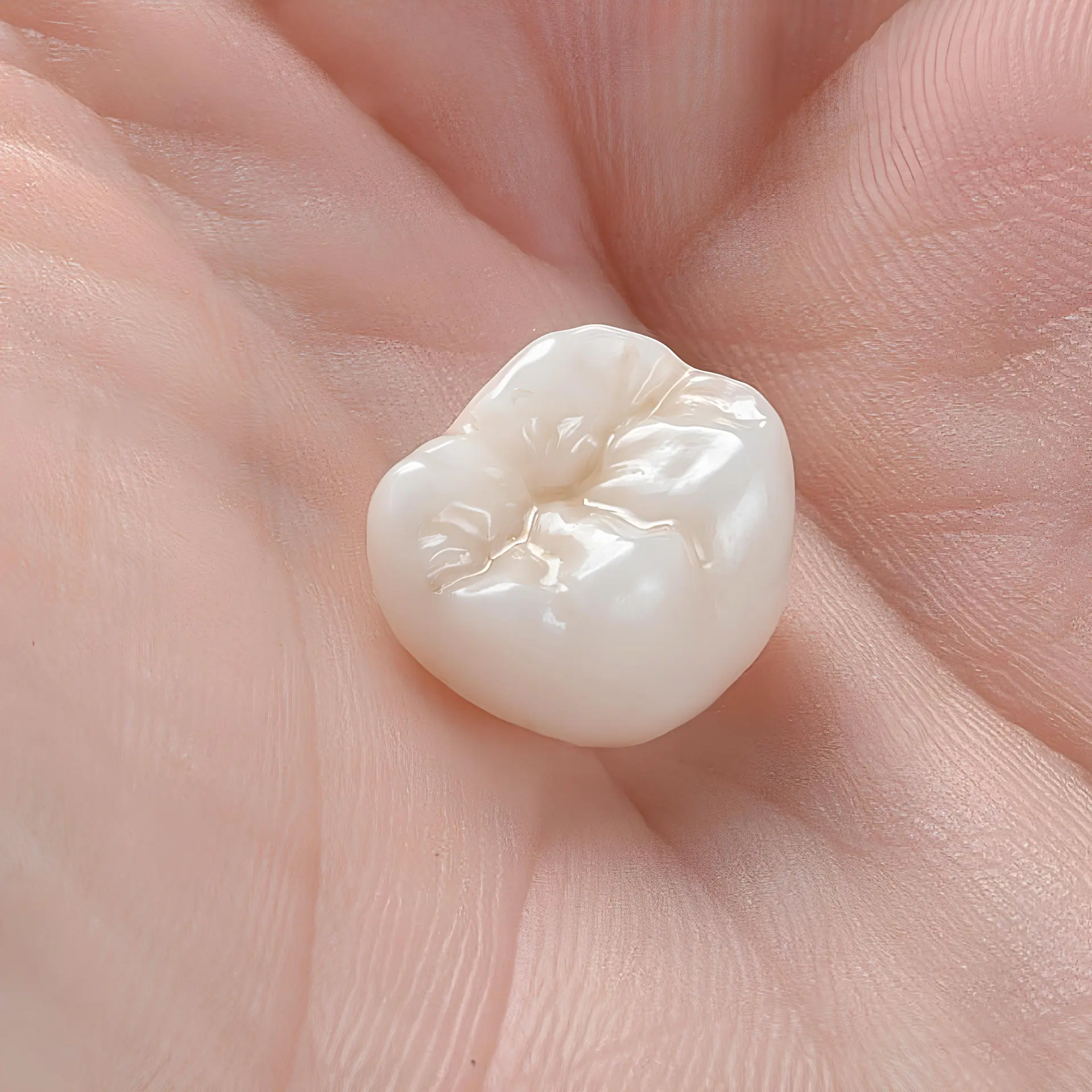
Big dental work used to feel like the only option. Root canals, extractions, and long recovery times were just part of the deal. But that’s starting to change. Dental crowns are quietly stepping in as a simpler fix for many common problems. They protect damaged teeth, restore strength, and often stop issues from getting worse.
Best of all, they can help you avoid more invasive procedures down the road. Many patients don’t realize how much crowns can do until a dentist recommends one. Sometimes, the smartest solution isn’t the biggest one.
Why Are Dental Crowns Becoming a Preferred Option Over More Invasive Dental Treatments?
A crown is basically a protective shell that covers a tooth. That sounds simple, but the impact can be huge. The reason crowns are becoming a preferred option is that they sit in a sweet spot: strong enough to restore a compromised tooth, but conservative enough to avoid the most invasive paths.
People want “save it” dentistry, not “replace it” dentistry
Most patients would rather keep their natural tooth than jump straight to extraction and replacement. Crowns fit that philosophy perfectly. They’re a way of reinforcing what you already have.
Crowns are often preferred because they:
- Restore chewing strength without removing the tooth
- Protect weak teeth from cracking further
- Stabilize teeth after large fillings
- Improve appearance without aggressive cosmetic procedures
Modern materials make crowns better than they used to be
This matters. Crowns have existed for ages, but today’s crowns are stronger, more natural-looking, and more precisely fitted. Many are made with advanced ceramics that mimic real enamel, so they don’t scream “dental work” when you laugh or smile.
In plain terms: crowns used to feel like a heavy-duty repair. Now they can feel like a seamless upgrade.
They’re often the “middle option” that prevents the “big option”
There’s a moment in many treatment plans where the dentist is deciding between:
- Doing something that preserves the tooth now
- Waiting until the tooth fails and needs a bigger procedure later
A crown is often the better bet because it prevents the tooth from crossing the line into:
- A full fracture that can’t be repaired
- A root infection caused by cracks or deep decay
- A situation where extraction becomes the only realistic option
If you’ve ever heard a dentist say, “We can crown it now, or we might be looking at a root canal later,” that’s not a scare tactic. That’s a timeline being explained.
Crowns are predictable
This is a big reason they’re replacing bigger procedures. Crowns have a strong track record when done properly and when the tooth is still salvageable. Compared to some extensive restorative work, crowns can offer a stable, reliable outcome with fewer moving parts.
How Do Dental Crowns Help Preserve Natural Tooth Structure Compared to Major Procedures?
Here’s where crowns really shine: they often protect the tooth before it becomes a full-blown crisis.
Major procedures tend to show up after the tooth has lost the ability to function safely on its own. Crowns can step in earlier and keep the tooth in the “repairable” zone.
Crowns reduce the chance of catastrophic fractures
Teeth don’t usually break in half without warning. They weaken over time. Large fillings, repeated decay, and biting pressure create stress points. A crown distributes that pressure evenly, like a helmet for your tooth.
Instead of the tooth flexing around a big filling and cracking, the crown holds it together and takes the brunt of chewing forces.
Crowns can prevent the need for extraction
Once a tooth is extracted, you’re automatically in replacement territory. Replacements can be great, but they’re still replacements. If a crown can keep your natural tooth in place, you avoid an entire category of bigger procedures.
Keeping the tooth means:
- You keep the natural root structure
- You preserve jawbone stimulation in that area
- You maintain your bite alignment more naturally
Crowns can sometimes help you avoid root canal treatment (or at least delay it)
Let’s be clear: crowns don’t magically treat nerve infections. If the pulp is infected, a root canal might still be needed. But crowns can protect a tooth from cracks and deep exposure that often lead to nerve problems.
Crowns preserve tooth structure compared to major procedures because they:
- Reinforce weakened tooth walls
- Seal and protect after large restorations
- Reduce micro-movement that leads to cracks
- Protect areas where decay has removed strength
In other words: crowns are a structural “save” before things escalate.
What Dental Problems Can Be Treated With Crowns Instead of Extensive Restorative Work?
A lot more than people realize. Crowns aren’t only for teeth that look terrible. They’re for teeth that are at risk of becoming a bigger problem.
Here are common situations where crowns can take the place of more extensive restorative work:
Teeth with large fillings that keep failing
If a tooth has had multiple fillings over the years, the remaining natural structure can become thin and fragile. At some point, placing “one more filling” is like patching a worn tire again and hoping it holds.
A crown can be the smarter move because it replaces the missing structure on top and strengthens the tooth as a whole.
Cracked or fractured teeth (that are still salvageable)
Small cracks can turn into big cracks. And big cracks can turn into “this tooth can’t be saved.”
Crowns are commonly used when:
- A tooth has a fracture line but the root is still stable
- The crack hasn’t split the tooth into separate pieces
- Chewing causes sharp pain or pressure sensitivity
Teeth with severe wear from grinding (bruxism)
Grinding can flatten teeth, create microcracks, and weaken the entire bite system. Crowns can restore shape and function, especially when the tooth has worn down to the point where it’s vulnerable.
In these cases, crowns are often paired with a night guard, because no crown wants to fight your grinding habit alone.
Teeth with deep decay that undermines structure
If decay has removed too much tooth material, a filling may not have enough support. A crown can rebuild the tooth and prevent future fractures.
Cosmetic issues that would otherwise need extensive veneers or full-mouth work
Crowns can also solve aesthetic concerns, especially when the tooth is already compromised structurally. For example:
- A tooth with discoloration plus a large filling
- A tooth with uneven shape plus cracking
- A tooth that’s been worn down unevenly
In these cases, a crown can be both restorative and cosmetic, which is why people end up choosing it over more complex cosmetic treatment plans.
Teeth after root canal therapy
This is a big one. Root canal treated teeth can be more brittle over time because the nerve is removed and the tooth structure is often compromised by the access opening and existing decay. Crowns protect these teeth from breaking.
When you compare that to bigger restorative work later, crowning a root canal tooth often prevents the future “why did it break?” situation.
Are Dental Crowns a Long Term Solution For Damaged or Weakened Teeth?
In my opinion, a well-made crown is one of the best long-term investments you can make in a tooth that’s on the edge.
But like anything in dentistry, the long-term success depends on a few real-life factors. Crowns are strong, but they aren’t invincible. They can last a long time when the tooth underneath is healthy, the bite is balanced, and the patient takes care of it.
What helps crowns last
Here are the not-so-glamorous things that make the difference:
- Good oral hygiene: A crown can’t decay, but the tooth underneath can. The margin (where crown meets tooth) still needs brushing and flossing.
- Healthy gums: Gum inflammation can expose crown edges over time and create problems.
- A stable bite: If your bite is off or you grind, crowns can chip or loosen.
- Regular checkups: Small issues can be caught before they become “we have to replace it” issues.
What crowns can and can’t do
Crowns are a long-term solution for:
- Strengthening weak teeth
- Restoring chewing function
- Protecting teeth with extensive restorations
- Improving appearance while reinforcing structure
Crowns are not a magic fix if:
- The tooth has severe infection in the root that isn’t treated
- There isn’t enough healthy tooth structure to hold the crown
- Gum disease is advanced and bone support is compromised
But when the tooth is a good candidate, crowns are one of the most reliable ways to extend its life without jumping into bigger, more invasive procedures.
The “quiet replacement” effect
This is why crowns are replacing bigger procedures. They often prevent the tooth from entering the danger zone. They’re proactive rather than reactive. People tend to think dentistry is about fixing what’s broken, but modern dentistry is increasingly about preventing breakdown in the first place.
Crowns fit perfectly into that approach. They reinforce. They protect. They stabilize. They keep you from waking up one day and discovering you’ve crossed into the “we have to pull it” conversation.
Don’t Wait For a Small Tooth Problem to Become a Big Procedure
If you’ve been told a tooth is weak, cracked, heavily filled, or “probably going to need something soon,” that “soon” has a habit of showing up at inconvenient times. A dental crown can often be the difference between preserving your natural tooth and needing a bigger, more invasive procedure later.
At Benage Dental Care, we help patients choose smart, practical treatments that protect their teeth long-term, without pushing them toward the most intense option right away. If you’re unsure whether a crown is the right call, let’s take a look and talk through the pros, the timing, and what makes the most sense for your situation.
Reach out to Benage Dental Care today, and let’s keep your dental plan simple, strong, and drama-free.