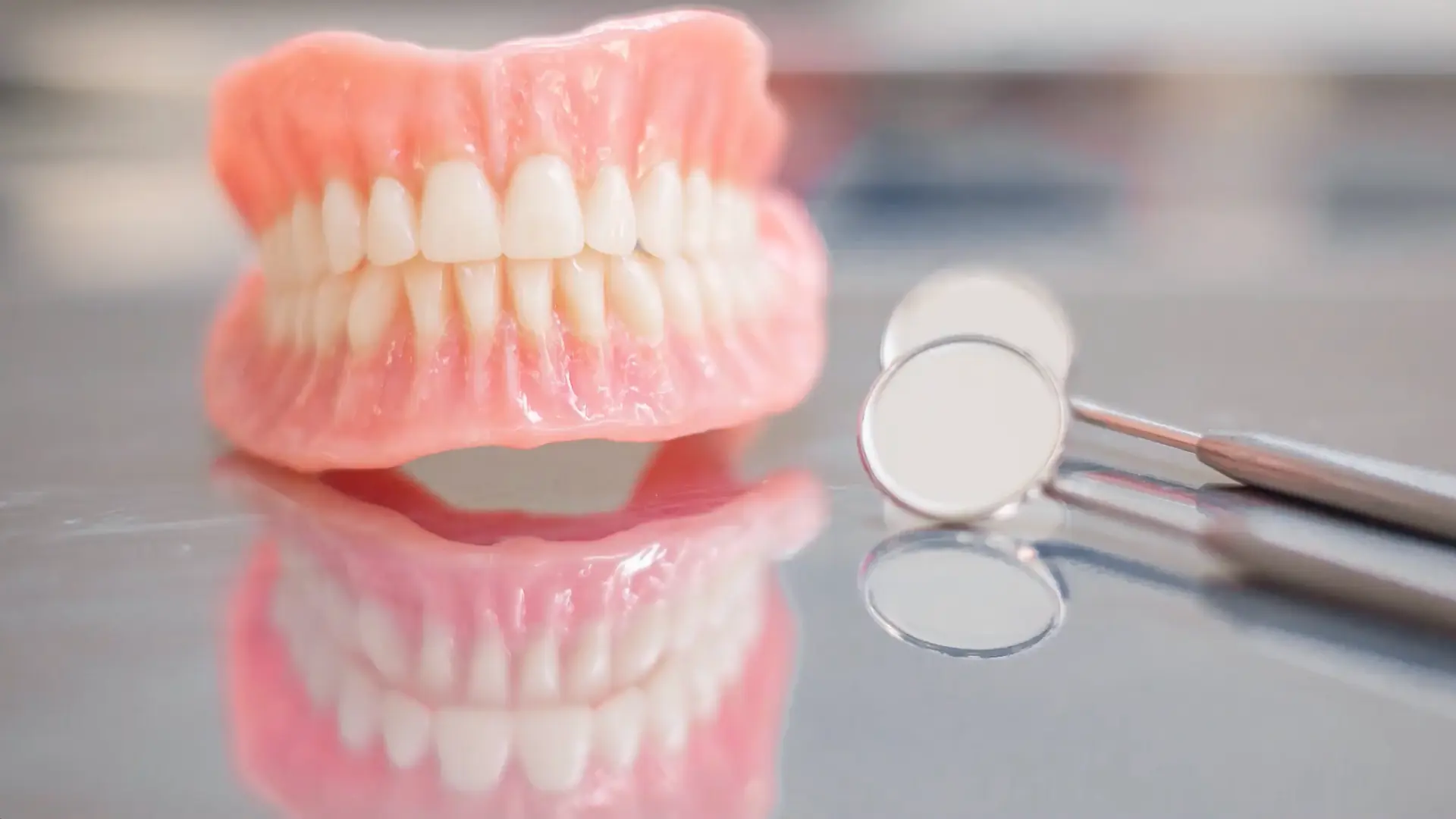
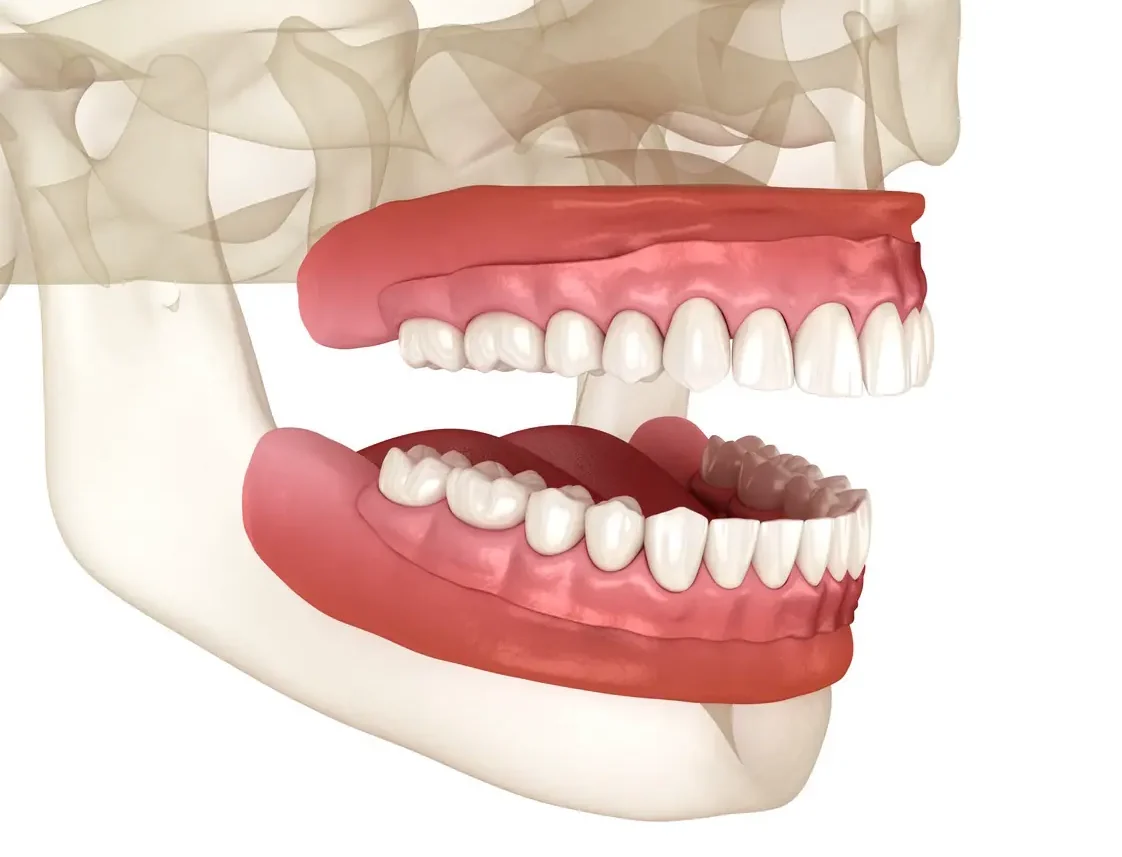
Tooth loss affects far more than your appearance. It changes the way you eat, the way you speak, and often the way you feel about yourself. At Benage Dental Care in Cleburne, TX, Dr. Mark Benage offers modern dentures — including implant-supported options — that restore your smile’s function and aesthetics with a fit and appearance that earlier generations of dentures couldn’t achieve.
Types of Dentures We Offer
Full Dentures
Full (complete) dentures replace an entire arch of missing teeth — upper, lower, or both. Custom-fabricated from impressions of your mouth, full dentures are designed to fit securely and look natural. Modern denture materials and fabrication techniques produce results dramatically more lifelike than the dentures of previous decades.
Partial Dentures
Partial dentures fill gaps left by multiple missing teeth while preserving the surrounding natural teeth. They attach to remaining teeth using precision clasps or precision attachments and are removable for cleaning. Partials are a cost-effective way to restore both function and appearance when not all teeth are missing.
Implant-Supported Dentures
Implant-supported dentures anchor to dental implants surgically placed in the jawbone — eliminating the movement, slipping, and adhesive dependency of traditional dentures. Available as removable overdentures (snapping onto implants) or fixed implant bridges (permanently attached), implant-supported options offer dramatically superior stability and bite force. They also preserve jawbone that would otherwise continue to resorb without tooth roots stimulating it.
Dentures vs. Dental Implants — Which Is Right for You?
This is the question most patients ask, and the honest answer is: it depends on your situation, priorities, and budget.
- Dental implants are the closest thing to natural teeth — permanent, bone-preserving, and unrestricted in function. They’re the better long-term investment for most patients who are good candidates. But they require surgery, healing time, and a higher upfront investment.
- Traditional dentures are non-surgical, faster to deliver, and significantly less expensive upfront. They’re an excellent solution for patients who need restoration now, patients with health conditions that complicate surgery, or patients for whom implants aren’t currently feasible.
- Implant-supported dentures offer a middle path — the stability and confidence of implant anchorage, at a lower cost than replacing every tooth individually with implants.
Dr. Benage will give you an honest assessment of which option makes the most sense for your dental health, lifestyle, and long-term goals during your consultation.
The Denture Process at Benage Dental Care
Initial Consultation: Dr. Benage evaluates your remaining teeth, gum health, and bone structure. He discusses your options and helps you choose the right denture type.
Impressions & Measurements: Precise impressions and measurements are taken to ensure your dentures fit accurately and your bite is properly aligned.
Try-In Appointment: A wax model of your dentures lets you preview the fit, appearance, and bite before the final denture is fabricated. Adjustments are made at this stage.
Delivery & Fitting: Your final dentures are delivered and adjusted for comfort and fit. Most patients need minor follow-up adjustments in the first few weeks as the mouth adapts.
Getting Used to New Dentures
Adjusting to new dentures takes time — typically 4–8 weeks for most patients to feel fully comfortable. You may notice slight changes in speech initially (the mouth adapts quickly), and eating will feel different until you develop new chewing patterns. Dr. Benage will walk you through realistic expectations and provide guidance for the adjustment period. Most patients find they adapt faster than they expected.
Denture Care and Maintenance
- Remove and rinse after eating
- Brush gently with a soft denture brush and non-abrasive cleaner daily
- Soak overnight in a denture solution to maintain shape and hygiene
- Never use hot water (it can warp the material)
- Visit Benage Dental Care annually — dentures need periodic adjustments as the mouth changes over time