

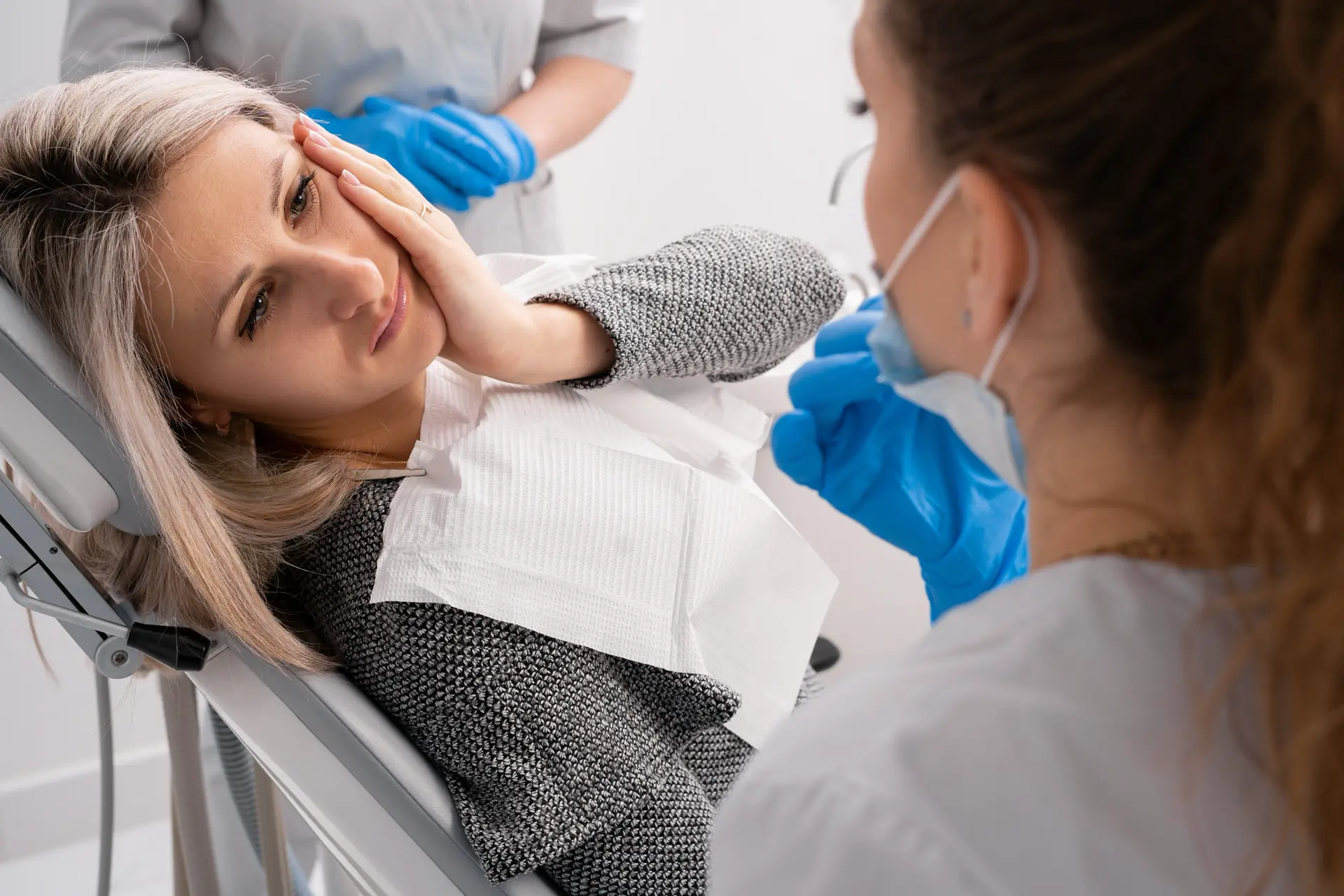
Dental emergencies have terrible timing.
They don’t politely wait for weekday mornings or fit neatly into a lunch break. They show up at night, on weekends, during holidays, and usually when you’ve already decided to ignore “that little tooth thing” for just a bit longer.
Ask any dentist who offers after-hours care and you’ll hear the same story. The phone rings when offices are closed, and it’s almost never for something minor. It’s pain that escalated. Damage that suddenly became obvious. A situation that crossed the line from uncomfortable to impossible to ignore.
Dental emergencies after business hours aren’t random. They follow patterns, and understanding those patterns can help people know when to act and when it’s okay to wait.
What are the Most Common Dental Emergencies That Happen After Business Hours?
After-hours dental emergencies tend to fall into a few familiar categories. Dentists see them repeatedly, especially during evenings and weekends.
Some of the most common include:
- Severe toothaches that suddenly spike in intensity
- Broken or cracked teeth from accidents or biting down
- Lost fillings or crowns that expose sensitive tooth structure
- Dental infections causing swelling or pressure
- Knocked-out or partially dislodged teeth
- Jaw pain associated with trauma or sudden bite changes
Toothaches top the list by far. Pain has a way of demanding attention when everything else quiets down. Broken teeth and lost restorations follow closely, especially after meals or physical activity.
What’s important to understand is that many of these issues didn’t start after hours. They reached a breaking point after hours.
Why Do Toothaches Often Become Worse At Night or After Dental Offices Close?
Tooth pain has an unfair advantage at night. There’s less distraction, fewer stimuli, and more awareness of discomfort. But there’s also a physiological reason pain often intensifies after business hours.
When you lie down, blood flow to the head increases. That added pressure can make inflamed dental nerves feel more intense. Swelling inside a tooth or surrounding tissue has nowhere to expand, so pain signals amplify.
Other factors that make toothaches worse at night include:
- Reduced saliva flow, which normally helps buffer irritation
- Clenching or grinding during sleep
- Temperature changes from evening meals or drinks
- Fatigue lowering pain tolerance
There’s also the mental factor. During the day, people are busy. At night, pain becomes the focus. A mild ache can suddenly feel unbearable once everything else slows down.
Dentists often hear patients say, “It wasn’t that bad earlier.” That’s common. Dental pain escalates quietly, then loudly, once the conditions are right.
When Should Someone Go to an Emergency Dentist Instead of Waiting Until Morning?
This is one of the most common questions dentists hear, and the answer isn’t always dramatic. Not every after-hours issue requires immediate care, but some absolutely do.
You should seek emergency dental care instead of waiting if:
- Pain is severe, throbbing, or worsening quickly
- Swelling is visible in the face, jaw, or gums
- There’s a bad taste or drainage indicating infection
- A tooth has been knocked out or moved
- Bleeding won’t stop after trauma
- A broken tooth is causing sharp pain or nerve exposure
Pain alone doesn’t always mean emergency, but uncontrolled pain does. If over-the-counter medication isn’t helping and sleep is impossible, that’s a sign waiting may cause more harm than relief.
Swelling is another major red flag. Dental infections don’t respect schedules. Left untreated, they can spread and become medical emergencies, not just dental ones.
When in doubt, calling an emergency dentist is never the wrong move. Getting guidance early often prevents complications later.
What Dental Problems Require Immediate Care Outside Normal Office Hours?
Some dental problems can wait a day or two. Others shouldn’t.
Dentists generally consider these issues to require immediate attention:
- Dental Abscesses
Infections trapped inside or around a tooth create pressure, pain, and swelling. These don’t resolve on their own and can worsen quickly. - Knocked-Out Teeth
Time matters. The sooner a tooth is addressed, the better the chance it can be saved. - Severe Trauma
Accidents involving the mouth, teeth, or jaw need prompt evaluation, even if pain seems manageable at first. - Uncontrolled Bleeding
Bleeding that doesn’t stop with pressure can indicate deeper injury. - Exposed Nerves
Broken teeth that expose the inner structure can cause extreme pain and increase infection risk.
Problems that usually can wait until normal hours include mild sensitivity, small chips without pain, or lost fillings that aren’t causing discomfort. Even then, waiting too long can turn a minor issue into a major one.
Why Dental Emergencies Feel More Stressful Than Other Health Issues
Dental emergencies come with a unique kind of stress. Pain is close to the brain. It affects eating, speaking, and sleeping. It’s hard to ignore and harder to manage without help.
There’s also vulnerability involved. Mouth pain feels personal. It’s visible, intrusive, and often accompanied by fear of bad news or costly treatment.
Many patients delay seeking help because they worry about:
- Being judged for waiting too long
- Needing extensive treatment
- Cost or inconvenience
- Not knowing if it’s “serious enough”
Dentists understand this hesitation. After-hours emergencies aren’t about perfect timing or perfect decisions. They’re about relief, safety, and preventing escalation.
The Pattern Dentists See Again And Again
Most after-hours emergencies share a common backstory.
A patient noticed something weeks or months ago. Sensitivity. A crack. A dull ache. Life got busy. The problem seemed manageable.
Then something tipped it over. A late-night snack. A stressful day. Lying down to sleep. Suddenly, the issue demands attention.
Dentists don’t judge that pattern. They see it daily. Their focus is solving the immediate problem and helping patients avoid the same situation in the future.
Why Waiting Can Sometimes Make Things Worse
Dental problems rarely stay the same. They either improve or progress. Without treatment, progression is far more common.
Waiting can lead to:
- Increased infection
- Greater damage to the tooth
- More complex treatment needs
- Higher costs
- Longer recovery
Addressing an issue early, even after hours, often means simpler care and faster relief.
How Modern Dentistry Has Improved Emergency Care
Emergency dental care today is very different from what it used to be.
Better diagnostics, improved pain control, and more conservative treatment options allow dentists to stabilize problems quickly and comfortably.
Emergency visits often focus on:
- Pain relief
- Infection control
- Temporary stabilization
- Clear next steps
The goal isn’t always to complete full treatment at night. It’s to get patients comfortable, safe, and able to rest.
Knowing What’s Normal Brings Peace of Mind
Understanding what constitutes a dental emergency helps reduce panic. Not every ache means disaster, but some symptoms deserve attention.
Dentists would rather answer a late-night call and reassure someone than see a small issue turn into a serious one.
Dental Emergencies Don’t Care About the Clock, But We Do
When Tooth Pain Can’t Wait, Neither Should You
At Benage Dental Care, we understand that dental emergencies don’t follow a schedule. Whether it’s a sudden toothache, a broken tooth, or swelling that can’t be ignored, our team is here to help you get relief and clarity when you need it most.
If you’re dealing with dental pain after hours and aren’t sure what to do next, reach out to Benage Dental Care. We’ll help you decide the right course of action and make sure your smile is protected, even when the rest of the world is closed.