
If you’ve ever had a dental crown placed, you probably remember the relief.
Relief from pain. Relief from sensitivity. Relief from worrying that your cracked or heavily filled tooth might give out at the worst possible moment.
A crown feels like a fresh start. It restores strength, shape, and confidence. For many patients, once it’s cemented in place, it fades into the background of daily life. You chew, smile, talk, and move on.
But crowns are not forever.
They’re durable. They’re strong. They’re designed to last. Yet over time, even the best dental work experiences wear. And when a crown starts aging, patients often notice subtle changes before anything dramatic happens.
Let’s take a closer look at what patients tend to notice most, how long crowns really last, and why some outlive others.
How Long Does a Dental Crown Typically Last Before Needing Replacement?
This is usually the first question patients ask.
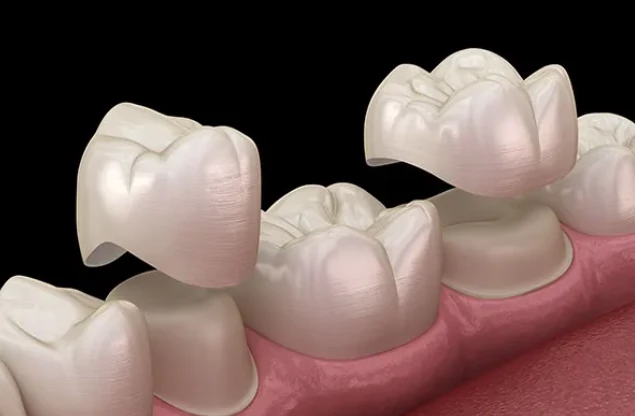
On average, a dental crown lasts between 10 to 15 years. Many last longer. Some can function well for 20 years or more with proper care.
But lifespan depends on several factors:
- The material used (porcelain, zirconia, metal, porcelain-fused-to-metal)
- Oral hygiene habits
- Bite pressure and grinding habits
- Location of the crown (front vs. back teeth)
- Overall dental health
For example crowns on molars often endure more chewing pressure and crowns on front teeth face more cosmetic scrutiny but less force.
Patients are sometimes surprised to learn that a crown isn’t designed as a permanent, lifetime solution. It’s more accurate to think of it as a long-term restoration that may eventually require maintenance or replacement.
The good news? With routine exams and cleanings, many issues can be identified early—before a full replacement becomes urgent.
What Signs Indicate That a Dental Crown is Wearing Out
Crowns rarely fail dramatically overnight. More often, there are small warning signs.
Here are some of the most common things patients report noticing.
1. Increased Sensitivity
One of the earliest clues can be sensitivity to cold drinks, hot foods, and sweet snacks.
If the crown’s seal begins to weaken, tiny gaps can form at the margin (where the crown meets the natural tooth). That allows bacteria or temperature changes to affect the underlying tooth structure.
2. A Change in Fit
Patients sometimes describe it as feeling “slightly off.”
You might notice:
- A crown that feels loose
- A subtle rocking sensation
- Food getting trapped around the edges
Even small changes in how the crown sits can signal cement breakdown or structural wear.
3. Gum Irritation Around the Crown
If the gum tissue near the crown becomes red, swollen, and tender. It may indicate buildup around the margin or a poorly fitting edge.
Healthy crowns should blend smoothly with surrounding tissue.
4. Visible Wear or Chipping
Porcelain and ceramic crowns are strong, but not indestructible.
Over time, patients may notice sall chips, rough edges, and surface dulling. Back teeth are especially vulnerable if someone grinds or clenches at night.
5. Dark Line at the Gumline (For Certain Crown Types)
Porcelain-fused-to-metal crowns can sometimes reveal a faint dark line as gums naturally recede over time.
It’s not always a structural issue—but cosmetically, patients often notice it.
Recognizing these signs early makes a big difference. Crowns often give subtle warnings before bigger problems develop.
Why Do Some Dental Crowns Fail Sooner Than Expected?
It can be frustrating when a crown doesn’t last as long as hoped.
While many crowns perform beautifully for years, certain factors can shorten their lifespan.
1. Teeth Grinding (Bruxism)
Grinding exerts tremendous pressure.
Nighttime clenching can:
- Crack porcelain
- Loosen cement
- Cause micro-fractures
Patients often don’t realize they grind until wear becomes visible.
A custom night guard can dramatically extend crown life for these individuals.
2. Poor Oral Hygiene
Even though a crown itself cannot decay, the natural tooth underneath still can.
If plaque accumulates at the margin:
- Decay may develop below the crown
- The supporting structure can weaken
- Replacement may become necessary
Regular brushing, flossing, and professional cleanings are essential.
3. Bite Imbalance
If a crown sits slightly higher than neighboring teeth, it absorbs extra force.
Over time, that pressure can cause fractures, cement breakdown, and jaw discomfort. Proper bite adjustment during placement is critical.
4. Large Underlying Damage
If the original tooth had extensive decay or fracture, the crown may have less natural structure supporting it.
The less healthy tooth remaining, the more vulnerable it can be long term.
5. Accidental Trauma
Sometimes it’s as simple as:
- Biting into something unexpectedly hard
- Sports injuries
- Accidental falls
Even durable materials can fail under sudden impact.
Failure doesn’t always reflect poor craftsmanship. Often, it’s about lifestyle factors and oral habits.
What Changes Do Patients Notice as a Dental Crown Ages?
Most crowns age gradually, not dramatically.
Patients tend to notice small shifts over time rather than one obvious event.
Here are the subtle changes that come up most often.
1. Slight Color Differences
Natural teeth can change shade over time due to diet and aging.
Crowns, especially ceramic ones, remain relatively stable in color.
This can create a slight mismatch years later, particularly on front teeth.
It’s not a structural issue—but cosmetically noticeable.
2. Surface Texture Changes
A crown may feel slightly rougher, less glossy, and more won on chewing surfaces. This is normal wear, especially on molars.
3. Increased Awareness of the Crown
Many patients forget they even have a crown. But as it ages, some report becoming more aware of it when chewing or flossing. That awareness isn’t always a problem—but it’s worth mentioning during checkups.
4. Gum Recession Around the Crown
As gums naturally recede with age, more of the crown margin may become visible.
This can expose edges, change cosmetic appearance, and increase sensitivity. It doesn’t always mean the crown has failed—but it may prompt discussion about options.
5. Small Gaps or Food Trapping
If the cement seal weakens, tiny gaps may form.
Patients may notice food catching, floss shredding, and slight odor or taste changes. These are early signs that evaluation is needed.
The key takeaway? Crowns age like everything else. The goal is to monitor them—not panic at the first change.
The Emotional Side of Crown Longevity
There’s something reassuring about knowing your dental work is solid.
Crowns often restore confidence—especially when they’re placed on visible teeth.
So when a crown starts showing signs of aging, it can feel unsettling.
But here’s the perspective worth keeping:
A crown lasting 12 or 15 years has done its job well.
Dentistry isn’t static. Materials improve. Techniques evolve. Replacement, when needed, is often smoother and more refined than the original procedure.
The important thing is staying proactive.
Regular dental visits allow small adjustments instead of urgent interventions.
Keep Your Smile Strong for the Long Run
Had a dental crown for a while and starting to notice sensitivity, rough edges, or changes in how it looks? It may be time for a quick check. At Benage Dental Care, we help you understand what’s happening and what your options are.
Schedule a visit today and make sure your crown continues protecting your smile comfortably and confidently.