

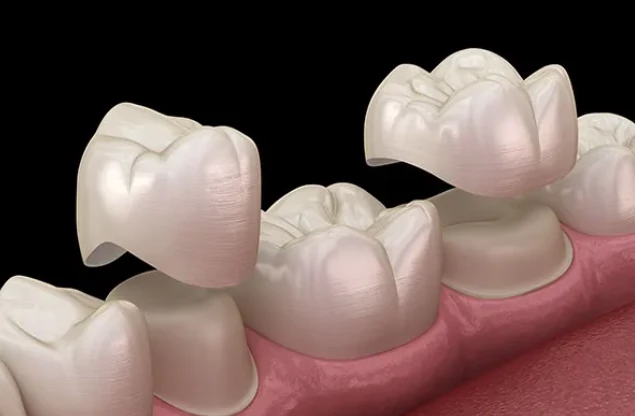
If your dentist recommends a crown instead of a filling, you might wonder why a simple fix isn’t enough. The short answer is that fillings work best for smaller areas of damage, while dental crowns are designed to restore and protect teeth that are more severely compromised.
Understanding the difference in a crown vs filling situation can help you make confident decisions about your oral health. Whether you’re dealing with decay, cracks, or an old restoration that’s failing, knowing when to get a dental crown can save your tooth and prevent bigger problems down the road.
Let’s walk through the most common questions patients ask when deciding between a crown and a filling.
When is a Crown Better Than a Filling?
Choosing between a filling and a crown depends on how much of your natural tooth structure remains.
When Fillings Work Best
Fillings are ideal for:
- Small to moderate cavities
- Minor tooth damage
- Early-stage decay
They restore the tooth by filling in the damaged portion, preserving most of the natural structure.
When a Crown Is the Better Option
A crown becomes necessary when the tooth is too weak to support a filling. Dentists typically recommend dental crowns when:
- More than 50% of the tooth is damaged
- The tooth has a large, failing filling
- There’s a crack or fracture
- The tooth has undergone a root canal
In a crown vs filling decision, the crown acts like a protective cap, covering the entire tooth and restoring both strength and function.
Why Crowns Offer Better Protection
Unlike fillings, crowns distribute bite pressure evenly across the tooth. This reduces the risk of further breakage and helps extend the life of the tooth.
How Do I Know If My Tooth Needs a Crown?
Sometimes the signs are obvious, but in many cases, your dentist will identify the need during an exam.
Common Signs You May Need a Crown
You may need dental crowns if you experience:
- Pain when chewing or biting
- Visible cracks or chips
- A large cavity
- Repeated issues with the same tooth
- Sensitivity that doesn’t go away
These symptoms often indicate that the tooth structure is compromised beyond what a filling can handle.
What Your Dentist Looks For
When determining when to get a dental crown, your dentist will evaluate:
- The size of the damaged area
- The strength of the remaining tooth
- Your bite alignment
- Risk of future fractures
Early Intervention Matters
Addressing the issue early with the right treatment can prevent tooth loss and reduce the need for more complex procedures later.
Can a Filling Turn Into a Crown Later?
Yes, and it’s actually quite common.
Why Fillings May Fail Over Time
Even high-quality fillings don’t last forever. Over time, they can:
- Wear down from chewing
- Crack or loosen
- Allow new decay to form underneath
When this happens, a filling may no longer be enough to support the tooth.
When a Crown Becomes Necessary
If a filling fails or the tooth becomes weaker, your dentist may recommend switching to dental crowns for better long-term protection.
In many crown vs filling cases, a crown is the next step when a filling can no longer do its job effectively.
Preventing Repeated Repairs
Rather than replacing fillings multiple times, a crown provides a more durable solution that can last for years. For a deeper look at longevity, read more about dental crown lifespan.
How Long Do Dental Crowns Last?
One of the biggest advantages of dental crowns is their durability.
Average Lifespan
With proper care, crowns typically last 10 to 15 years, and often longer.
Some crowns can even last 20 years or more depending on maintenance and lifestyle habits.
Factors That Affect Longevity
Your crown’s lifespan depends on:
- Oral hygiene habits
- Diet and chewing patterns
- Teeth grinding, also known as bruxism
- Regular dental visits
How to Make Your Crown Last Longer
To extend the life of your crown:
- Brush and floss daily
- Avoid biting hard objects
- Wear a night guard if you grind your teeth
- Schedule regular cleanings
Investing in when to get a dental crown at the right time can provide long-term benefits for your smile.
Are Crowns Stronger Than Fillings?
Yes, crowns are generally much stronger than fillings.
Structural Differences
Fillings repair only a portion of the tooth, while dental crowns:
- Cover the entire visible surface
- Reinforce the tooth structure
- Restore full functionality
Why Strength Matters
In a crown vs filling comparison, strength becomes crucial when:
- The tooth handles heavy biting forces
- There’s significant structural loss
- There’s a risk of fracture
Materials Used in Crowns
Crowns are made from durable materials such as:
- Porcelain
- Ceramic
- Metal or porcelain-fused-to-metal
These materials are designed to withstand daily wear while maintaining a natural appearance.
Does Getting a Crown Hurt?
Many patients worry about discomfort, but the process is typically smooth and manageable.
What to Expect During the Procedure
Getting dental crowns usually involves:
- Numbing the area with local anesthesia
- Shaping the tooth to fit the crown
- Taking impressions
- Placing a temporary crown
- Fitting the permanent crown later
Pain Level During Treatment
Thanks to modern techniques, most patients feel little to no pain during the procedure.
Aftercare and Recovery
You may experience mild sensitivity for a few days, but it usually subsides quickly. Over-the-counter pain relievers are often enough to manage any discomfort.
Comfort with Professional Care
When choosing when to get a dental crown, working with an experienced dental team ensures a comfortable and stress-free experience.
Final Thoughts
A filling may fix minor damage, but some teeth need more strength than a filling can provide. Crowns help protect weakened teeth, restore chewing power, and lower the risk of future breakage.
Knowing when a crown makes more sense can help you avoid repeated repairs and keep your smile healthier for years. The right solution is always the one that best protects your tooth.
Protect Your Smile with the Right Solution
Deciding between a filling and a crown doesn’t have to be confusing. The key is understanding the extent of the damage and choosing the option that offers the best long-term protection. While fillings work well for minor repairs, composite fillings may not provide enough coverage for more serious cases.
If you’re unsure about a crown vs filling recommendation, our team at Benage Dental Care is here to guide you. We take the time to evaluate your needs and help you determine when to get a dental crown for lasting results.
Schedule your visit today and take the next step toward a stronger, healthier smile.