

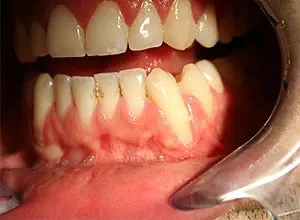
If your gums bleed, feel tender, or look swollen, it might be more than just a minor issue. These are often early signs of gum disease, and ignoring them can lead to serious oral health problems over time.
The good news? With early detection and proper gum disease treatment, many cases can be managed or even reversed. Understanding the warning signs and knowing when to seek care can help protect your smile and overall health.
If you’re experiencing any periodontal disease symptoms in Cleburne, TX, this guide will walk you through what to look for, what it means, and what to do next.
Can Gum Disease Go Away On Its Own?
One of the most common questions people ask is whether gum disease can simply heal without treatment.
The Short Answer
No—gum disease typically does not go away on its own. While mild symptoms may temporarily improve, the underlying issue often remains.
Understanding the Early Stage: Gingivitis
In its earliest form, gum disease is called gingivitis. At this stage, you may notice:
- Red or swollen gums
- Bleeding during brushing or flossing
- Mild tenderness
Gingivitis is the only stage that can be reversed—but only with proper care, including professional cleanings and improved oral hygiene.
Why Ignoring It Makes Things Worse
Without proper gum disease treatment, gingivitis can progress into periodontitis, a more advanced form of gum disease that affects the bone supporting your teeth.
Recognizing early signs of gum disease and taking action is key to preventing long-term damage.
Why Do My Gums Bleed When I Brush?
Bleeding gums are one of the most noticeable—and most commonly ignored—warning signs.
What Causes Bleeding Gums?
If your gums bleed when brushing or flossing, it’s often due to:
- Plaque buildup along the gumline
- Inflammation caused by bacteria
- Early-stage gum disease
Healthy gums should not bleed easily, even with regular brushing.
Other Possible Contributing Factors
While signs of gum disease are the most common cause, bleeding can also be influenced by:
- Brushing too aggressively
- Using a hard-bristled toothbrush
- Vitamin deficiencies
- Certain medications
When to Take It Seriously
If bleeding happens frequently, it’s time to consider gum disease treatment. Persistent bleeding is a clear sign that your gums need attention.
Addressing periodontal disease symptoms in Cleburne, TX early can prevent the condition from worsening.
What Happens If Gum Disease is Left Untreated?
Ignoring gum disease can lead to serious consequences—not just for your mouth, but for your overall health.
Progression of Gum Disease
If untreated, gum disease can advance from gingivitis to periodontitis, leading to:
- Gum recession, or gums pulling away from teeth
- Deep pockets forming between teeth and gums
- Bone loss around the teeth
Long-Term Effects
Without proper general dentistry care and gum disease treatment, you may experience:
- Loose teeth
- Tooth loss
- Chronic bad breath
- Pain while chewing
Impact on Overall Health
Research has linked advanced gum disease to systemic conditions such as:
- Heart disease
- Diabetes complications
- Respiratory issues
These connections highlight why early intervention is so important.
Don’t Wait for Severe Symptoms
Many signs of gum disease are subtle at first. Acting early can save your teeth and protect your health.
Is Gum Disease Reversible?
The answer depends on how advanced the condition is.
Reversible Stage: Gingivitis
At the gingivitis stage, gum disease is fully reversible with:
- Professional dental cleanings
- Improved brushing and flossing habits
- Regular dental checkups
Non-Reversible Stage: Periodontitis
Once gum disease progresses to periodontitis, it cannot be completely reversed—but it can be managed and controlled with ongoing gum disease treatment.
Goals of Treatment
For advanced cases, the goal is to:
- Stop the progression of the disease
- Reduce inflammation
- Prevent further bone loss
Early Detection Is Key
Recognizing periodontal disease symptoms in Cleburne, TX early gives you the best chance of reversing the condition before it becomes more serious.
How Is Gum Disease Treated By A Dentist?
Treatment options vary depending on the severity of the condition.
Professional Cleaning for Early Stages
For mild gum disease, treatment may include:
- Thorough dental cleaning to remove plaque and tartar
- Guidance on proper oral hygiene techniques
This is often enough to reverse early signs of gum disease.
Scaling and Root Planing
For more advanced cases, dentists may recommend a deep cleaning procedure called scaling and root planing. This involves:
- Removing plaque and tartar below the gumline
- Smoothing the root surfaces to help gums reattach
Additional Treatment Options
In severe cases, gum disease treatment may include:
- Antibiotic therapy
- Laser treatments
- Surgical procedures to restore gum and bone health
For patients with recession concerns, gum grafting may also be discussed when appropriate.
Ongoing Maintenance
After treatment, maintaining your results is essential. This includes:
- Regular dental visits
- Consistent oral hygiene
- Lifestyle adjustments if needed
Managing periodontal disease symptoms in Cleburne, TX is a long-term commitment, but it’s one that protects your smile.
Final Thoughts
Bleeding gums, bad breath, swelling, and tenderness may seem minor, but they can point to something more serious. Gum disease does not usually go away on its own, so early action matters.
Understanding the warning signs helps you get care before the condition affects your teeth, bone, and overall health. Taking care of your gums today can help protect your smile for years.
Take Control of Your Gum Health
Your gums play a vital role in your overall oral health, and ignoring early warning signs can lead to serious complications. Recognizing the signs of gum disease and seeking timely gum disease treatment can make all the difference in preserving your smile.
At Benage Dental Care, we provide personalized care for patients experiencing periodontal disease symptoms in Cleburne, TX. Whether you’re dealing with early-stage gingivitis or more advanced concerns, our team is here to help you regain and maintain healthy gums.
Schedule your appointment today and take the first step toward stronger, healthier gums that last a lifetime.