
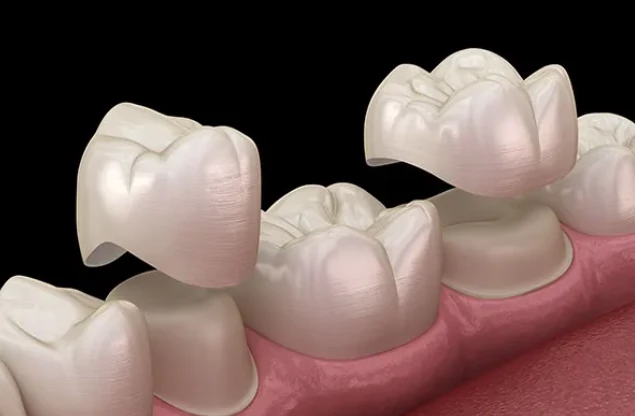
The best type of dental crown depends on where the tooth is located, how much chewing pressure it handles, how visible it is when you smile, and whether you grind or clench your teeth. For front teeth, porcelain or ceramic crowns are often preferred because they can closely match the color and translucency of natural teeth. For back teeth, zirconia, porcelain-fused-to-metal, or metal crowns may be recommended because molars need more strength for chewing.
In simple terms, front teeth usually need beauty and natural appearance, while back teeth need strength and durability. That is why choosing the best crown for front vs back teeth is not about picking one material for every situation. It is about choosing the material that fits the tooth, your bite, your smile goals, and your long-term oral health.
The American Dental Association explains that indirect restorative materials differ in composition, physical properties, mechanical properties, processing methods, and clinical indications, all of which should be considered when choosing the best material for a specific case. Cleveland Clinic also notes that Dental Crowns can be made from several materials, including metal, resin, and porcelain, and are used to restore decayed, broken, weak, or worn-down teeth.
If you are considering Dental Crowns Cleburne, TX, understanding the difference between crown materials can help you feel more confident before treatment begins.
In short: choose an all-ceramic crown such as Emax or layered porcelain for front teeth, where color and translucency matter most, and zirconia (or gold if appearance is not a concern) for molars, where chewing force and grinding matter most. At Benage Dental Care in Cleburne, TX, Dr. Benage matches the material to the tooth using a digital scan and gives you a written estimate before treatment. Call (817) 641-6261 to schedule a crown consultation.
| Crown material | Front teeth | Back teeth (molars) | Why |
|---|---|---|---|
| Layered porcelain / all-ceramic | Excellent | Fair | Most natural translucency; can chip under heavy bite |
| Emax (lithium disilicate) | Excellent | Good (premolars) | Strong and lifelike; ideal for visible teeth |
| Zirconia | Good (layered zirconia) | Excellent | Highest fracture resistance; best for grinders |
| Porcelain-fused-to-metal | Fair | Good | Strong core, but a dark line can show at the gum |
| Gold alloy | Poor (visible) | Excellent | Gentlest on opposing teeth; lasts 20+ years |
What Is The Best Crown Material For Front Teeth?
The best crown material for front teeth is usually porcelain, ceramic, or another highly aesthetic tooth-colored material. Front teeth are the most visible when you smile, talk, and laugh, so appearance matters more than heavy chewing strength.
Why Appearance Matters For Front Teeth
Front teeth do not take the same grinding force as molars, but they play a major role in your smile. A crown on a front tooth should blend with nearby natural teeth in color, shape, size, and light reflection.
A good front-tooth crown should:
- Match the shade of surrounding teeth
- Look natural in different lighting
- Avoid a gray or dark line near the gums
- Restore tooth shape and symmetry
- Support normal biting and speaking
- Feel comfortable against the lips and tongue
For many patients, all-porcelain or all-ceramic crowns are excellent choices for front teeth because they can be designed to mimic the natural translucency of enamel.
Porcelain And Ceramic Crowns For Front Teeth
Porcelain and ceramic crowns are often chosen for visible teeth because they can be customized to match your smile. These materials are especially helpful when the crown will be noticeable.
Dentists may recommend porcelain or ceramic crowns for front teeth when:
- A tooth is cracked or worn
- A large filling has weakened the tooth
- A root canal-treated tooth needs protection
- A tooth is badly discolored
- A front tooth has been damaged by trauma
- A cosmetic improvement is needed
When choosing the best crown for front vs back teeth, front teeth often favor natural-looking materials over maximum biting strength.
When Zirconia May Be Used For Front Teeth
Zirconia may also be used for front teeth in some cases, especially when extra strength is needed. Newer zirconia materials can look more natural than older versions, although traditional porcelain may still provide a more lifelike appearance in some highly visible areas.
Your dentist may consider zirconia for a front tooth if you grind your teeth, have a strong bite, or need a crown that balances strength with appearance.
Why Custom Shade Matching Matters
No two smiles are exactly the same. A front tooth crown needs careful shade matching and shaping. Dentists consider tooth color, gumline, tooth length, bite position, and how the crown fits with your overall smile.
For patients interested in Dental Crowns Cleburne, TX, the goal is not just to cover the tooth. The goal is to restore it in a way that looks and feels natural.
Are Porcelain Crowns Better Than Metal Crowns For Molars?
Porcelain crowns are not always better than metal crowns for molars. Molars handle heavy chewing pressure, so strength is a major factor. Porcelain can look more natural, but metal crowns are often extremely durable for back teeth.
Why Molars Need Stronger Crowns
Back teeth do most of the hard work when you chew. Molars crush, grind, and handle repeated pressure every day. A crown on a molar must withstand force from chewing, clenching, and sometimes grinding.
Because of this, dentists may recommend stronger materials for back teeth, such as:
- Zirconia
- Gold or other metal crowns
- Porcelain-fused-to-metal crowns
- High-strength ceramic options
Porcelain Crowns For Molars
Porcelain crowns can be used for molars, especially when appearance is important. However, porcelain may be more vulnerable to chipping or fracture under heavy bite force compared with stronger materials.
A porcelain crown may be reasonable for a back tooth if:
- The bite forces are moderate
- The patient does not grind heavily
- The crown is designed with proper thickness
- The tooth is somewhat visible when smiling
- A highly natural appearance is desired
Metal Crowns For Molars
Metal crowns are strong and durable. They require less removal of tooth structure in some cases and can tolerate heavy chewing forces well. Their main drawback is appearance. Because they are silver or gold in color, they are usually used on back teeth where they are less visible.
Porcelain-Fused-To-Metal Crowns
Porcelain-fused-to-metal crowns combine a metal base with a tooth-colored porcelain exterior. They offer a balance of strength and appearance. However, the porcelain layer can sometimes chip, and a dark line may appear near the gumline over time.
For the best crown for front vs back teeth, porcelain-fused-to-metal may be considered when a patient wants a stronger crown than porcelain alone but still wants a tooth-colored result.
How Do Zirconia Crowns Compare To Porcelain Crowns?
Zirconia crowns are generally stronger and more resistant to heavy biting forces, while porcelain crowns often provide the most natural-looking appearance for visible teeth. Both materials can be excellent, but they serve different needs.
Strength And Durability
Zirconia is known for strength. It is often used on back teeth because it can handle chewing pressure well. It may also be useful for patients who grind or clench their teeth.
Porcelain is valued for appearance but may not always be as strong as zirconia in high-pressure areas. That does not mean porcelain is weak. It simply means that the location of the tooth and the patient’s bite habits matter.
The ADA notes that newer, stronger restorative materials allow dentists to combine aesthetics with durability, but material selection still depends on the clinical situation.
Appearance
Porcelain often has a more enamel-like quality, which can make it ideal for front teeth. It reflects light in a way that can closely resemble natural tooth structure.
Zirconia has improved significantly in appearance. Modern zirconia can look very natural, especially compared with older, more opaque zirconia crowns. Still, for the most cosmetic front-tooth cases, porcelain or layered ceramic options may be preferred.
Tooth Preparation
Different crown materials may require different amounts of tooth reduction. Your dentist will consider how much natural tooth structure remains, how strong the tooth is, and what material can provide the best fit and longevity.
Best Uses For Zirconia
Zirconia may be recommended for:
- Molars
- Premolars
- Patients who grind
- Patients with strong bite forces
- Teeth needing extra durability
- Situations where strength and appearance both matter
Best Uses For Porcelain
Porcelain may be recommended for:
- Front teeth
- Highly visible smile areas
- Cosmetic restorations
- Patients who want excellent shade matching
- Teeth where appearance is the top priority
When comparing Dental Crowns, your dentist will weigh both beauty and function before recommending a material. Patients interested in restorative options can also learn more about the crown comeback: how modern dentistry is redefining restoration.
Which Dental Crowns Look The Most Natural?
Porcelain and all-ceramic crowns usually look the most natural, especially on front teeth. These materials can be customized to match the color, translucency, and contour of nearby teeth.
Why Porcelain Looks Natural
Natural teeth are not flat white. They have layers, translucency, subtle color changes, and light reflection. Porcelain can be layered and shaded to create a lifelike effect.
A natural-looking crown should match:
- Tooth color
- Edge translucency
- Surface texture
- Tooth shape
- Tooth length
- Gumline contour
- Neighboring teeth
This is especially important for front teeth because even a small mismatch can be noticeable.
Ceramic Crowns And Smile Aesthetics
All-ceramic crowns can also provide excellent cosmetic results. They are often metal-free, which can help prevent the gray line sometimes associated with older porcelain-fused-to-metal crowns.
Patients who are concerned about appearance often prefer ceramic or porcelain crowns for teeth that show when smiling.
Can Zirconia Look Natural?
Yes, zirconia can look natural, especially modern translucent zirconia. It may not always match the highest cosmetic quality of layered porcelain in front teeth, but it can be a strong and attractive option in many cases.
Zirconia may be especially useful when the crown needs to look good and withstand stronger bite forces.
What Makes A Crown Blend In?
Material matters, but the dentist’s planning and the dental lab’s craftsmanship also matter. A crown looks natural when the color, shape, bite, and gumline fit the rest of the smile.
For patients seeking Dental Crowns Cleburne, TX, a natural-looking result often starts with careful evaluation, shade selection, and communication about smile goals.
What Crown Is Strongest For Chewing And Grinding?
Zirconia and metal crowns are often among the strongest choices for chewing and grinding. These materials are commonly considered for back teeth because they can tolerate heavy pressure better than more cosmetic materials.
Why Grinding Matters
Teeth grinding, also called bruxism, can put extreme pressure on teeth and restorations. If you grind at night or clench during the day, your crown material must be strong enough to handle repeated force.
Signs of grinding may include:
- Worn teeth
- Jaw soreness
- Morning headaches
- Chipped teeth
- Cracked fillings
- Tooth sensitivity
- Tight jaw muscles
- Flattened biting surfaces
Patients experiencing chronic grinding or jaw tension may also benefit from evaluation for migraine and TMJ treatment.
Zirconia For Heavy Chewing
Zirconia is a popular choice for molars and patients with strong bites because it is strong and tooth-colored. It can provide durability while still looking more natural than metal.
This makes zirconia a common option when deciding the best crown for front vs back teeth, especially for back teeth that need both strength and a cleaner appearance.
Metal Crowns For Maximum Durability
Metal crowns, including gold crowns, have a long history of durability. They can be especially useful for molars that are not visible when smiling. Their biggest disadvantage is that they do not match natural tooth color.
Some patients still choose metal for back teeth because they value longevity and strength over appearance in that area.
Porcelain-Fused-To-Metal For Balance
Porcelain-fused-to-metal crowns can be useful when a patient wants a tooth-colored crown with additional support from a metal base. However, the porcelain exterior may still be more prone to chipping than solid zirconia or full metal options.
Strongest Does Not Always Mean Best
The strongest crown is not always the best crown for every patient. A crown also needs to fit the tooth, protect the opposing teeth, match the bite, and meet the patient’s cosmetic goals.
A very strong material may be ideal for one person but unnecessary for another. That is why crown selection should always be personalized.
How Do Dentists Choose The Right Crown For Each Tooth?
Dentists choose the right crown by evaluating the tooth’s location, remaining structure, bite pressure, cosmetic needs, gum health, habits like grinding, budget, and long-term treatment goals.
Tooth Location
Front teeth and back teeth have different jobs. Front teeth are more visible and help with biting into food. Back teeth do most of the chewing and grinding.
Because of this:
- Front teeth often need highly aesthetic materials
- Back teeth often need stronger materials
- Premolars may need a balance of appearance and strength
This is the foundation of choosing the best crown for front vs back teeth.
Bite And Chewing Pressure
Dentists check how your teeth come together. If one tooth carries heavy pressure, the crown material must be able to handle it. Patients who grind may need stronger materials and protective night guards.
Amount Of Tooth Remaining
A tooth with a large filling, fracture, or root canal may need more coverage and protection. The dentist considers how much natural tooth is left and which crown material can best support it.
Smile Visibility
A molar in the back of the mouth may not need the same cosmetic detail as a front tooth. However, some premolars and molars are visible when smiling, so a tooth-colored material may still be preferred.
Gumline And Tissue Health
Healthy gums help crowns fit better and look more natural. If gums are inflamed or receding, the dentist may need to address gum health before placing the final crown.
Patient Preferences
Some patients care most about natural appearance. Others care most about strength. Some want metal-free restorations. Others want a cost-conscious option.
A good crown recommendation should consider both dental needs and patient goals.
Longevity And Care
Cleveland Clinic notes that crowns can last between five and 15 years with proper care, though longevity depends on material, oral hygiene, bite forces, and habits. To help crowns last, patients should brush, floss, attend routine checkups, avoid chewing hard objects, and wear a night guard if recommended.
Patients interested in extending the lifespan of their restoration may also find value in reading about dental crown lifespan: what patients notice most.
Front vs Back Teeth Crown FAQs
Which crown looks most natural on front teeth?
What is the strongest crown for molars?
Do front-tooth crowns show a dark line at the gum?
Restore Strength And Confidence With Benage Dental Care in Cleburne, TX
Choosing the right crown material is not always simple, but the decision becomes easier when you understand what each tooth needs. Front teeth usually benefit from porcelain or ceramic crowns because they look the most natural. Back teeth often need zirconia, metal, or porcelain-fused-to-metal crowns because they handle more chewing pressure.
The best choice depends on appearance, strength, bite forces, tooth location, grinding habits, and your long-term goals. That is why Dental Crowns should always be planned around your specific smile, not a one-size-fits-all answer.
At Benage Dental Care, we help patients understand their crown options clearly so they can make confident decisions about their care. Whether you need a natural-looking crown for a front tooth or a durable restoration for a molar, our team can guide you toward a solution that fits your needs.
If you are comparing the best crown for front vs back teeth or looking for trusted Dental Crown services, Benage Dental Care is here to help restore your smile with comfort, strength, and confidence. You can call (817) 641-6261 or book an appointment to discuss your treatment options with our team.