

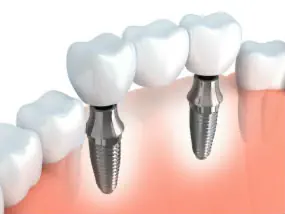
Implant-Supported Dentures are often considered a superior option for many patients because they provide greater stability, improved chewing ability, and enhanced long-term comfort compared to traditional removable dentures. While traditional dentures remain an effective solution for tooth loss, implant-supported options offer benefits that can significantly improve daily function and confidence.
Choosing between traditional dentures and implant-supported dentures requires careful consideration of oral health, lifestyle needs, budget, and treatment goals. Understanding how these two solutions compare can help patients make informed decisions about restoring their smiles and maintaining long-term oral health.
What Are The Benefits Of Implant-Supported Dentures?
Improved Stability
One of the most significant advantages of implant-supported dentures is stability.
Unlike traditional dentures that rest on the gums, implant-supported dentures are anchored to dental implants placed in the jawbone. This secure attachment helps minimize movement during eating and speaking.
Enhanced Chewing Ability
Many patients find that implant-supported dentures allow them to eat a wider variety of foods.
Because the dentures are firmly supported, chewing efficiency often improves. This can make meals more comfortable and enjoyable while supporting better nutrition.
Better Speech Clarity
Loose dentures can sometimes affect speech.
Implant-supported dentures reduce unwanted movement, allowing patients to speak with greater confidence and fewer concerns about slipping or shifting during conversations.
Bone Preservation
Dental implants stimulate the jawbone much like natural tooth roots.
This stimulation helps slow bone loss that commonly occurs after tooth loss. Maintaining bone volume can help preserve facial structure and support long-term oral health.
Increased Confidence
Many patients appreciate the security provided by implant-supported dentures.
The added stability often allows individuals to smile, laugh, and participate in social situations without worrying about denture movement.
Are Implant Dentures More Stable Than Traditional Ones?
How Traditional Dentures Stay In Place
Traditional dentures rely on the gums, saliva, and oral anatomy for retention.
While modern dentures can provide a good fit, some movement is still possible during chewing or speaking, particularly as the gums and jawbone change over time.
Implant Anchoring Provides Additional Support
Implant-supported dentures attach directly to dental implants.
This connection creates a secure foundation that helps prevent shifting, rocking, or slipping. Many patients describe the difference as substantial compared to traditional removable dentures.
Reduced Need For Adhesives
Traditional denture wearers sometimes use adhesives to improve retention.
Implant-supported dentures often eliminate or greatly reduce the need for these products because the implants provide mechanical support.
Improved Daily Comfort
Greater stability often translates into improved comfort.
Patients may experience less gum irritation because the denture is not moving as much against soft tissue during normal activities.
Comparing Stability
When evaluating Dentures vs Implant Dentures, stability is one of the most noticeable differences.
For patients seeking maximum retention and confidence, implant-supported options generally provide a higher level of performance. Learn more about the benefits of implant-supported dentures and how they compare to traditional solutions.
How Long Do Implant-Supported Dentures Last?
Longevity Of Dental Implants
Dental implants are designed to serve as long-term tooth replacements.
With proper care and maintenance, implants can often remain functional for many years and may last decades in some cases.
Lifespan Of The Denture Component
While the implants themselves are highly durable, the denture attached to them may eventually require adjustments, repairs, or replacement due to normal wear.
The exact lifespan depends on materials, oral habits, and maintenance practices.
Importance Of Oral Hygiene
Daily cleaning remains essential.
Patients must care for both the denture and the implant-supported structures to maintain healthy gums and prevent complications.
Regular Dental Visits
Routine dental examinations help monitor implant health and denture condition.
Regular maintenance appointments allow dentists to identify concerns early and help maximize the lifespan of the restoration.
Long-Term Value
Many patients view implant-supported dentures as a long-term investment because of their durability, functionality, and stability.
These benefits often contribute to long-term satisfaction with treatment. Patients considering implants may also find value in reading about common dental implant myths.
Is The Procedure For Implant Dentures Painful?
Understanding The Implant Process
The process typically begins with a comprehensive examination and treatment planning.
Dental imaging helps determine implant placement locations and evaluate bone support.
During Implant Placement
Local anesthesia is used during implant placement procedures.
Patients generally remain comfortable throughout treatment. Sedation dentistry options may also be available for individuals who experience dental anxiety.
Recovery Period
Some mild discomfort, swelling, or tenderness may occur after implant placement.
These symptoms are typically temporary and can often be managed with recommended medications and post-operative care instructions.
Healing And Integration
After placement, the implants require time to integrate with the jawbone.
This healing phase is an important part of the treatment process and contributes to the long-term stability of the restoration.
Patient Experiences Vary
Every patient responds differently to treatment.
Many individuals report that the procedure is less uncomfortable than they initially expected and are pleased with the long-term benefits achieved.
Who Qualifies For Implant-Supported Dentures?
Patients Missing Multiple Teeth
Implant-supported dentures are often recommended for individuals who have lost most or all of their teeth.
They provide a stable alternative to traditional removable dentures while restoring function and appearance.
Adequate Bone Support
Successful implant placement requires sufficient jawbone volume.
Patients with healthy bone levels are often good candidates. In some cases, bone grafting procedures may help prepare the jaw for implant treatment.
Good General Health
Overall health plays a role in treatment success.
Conditions that affect healing should be discussed with the dental team during the evaluation process.
Commitment To Oral Hygiene
Patients should be willing to maintain proper oral hygiene and attend regular dental visits.
Long-term success depends on ongoing care and maintenance.
Comprehensive Evaluation
The best way to determine candidacy is through a professional examination.
Patients considering Implant Dentures Cleburne, TX can benefit from a personalized assessment that evaluates oral health, bone structure, and treatment goals. Scheduling a consultation with an experienced dental team is the most reliable way to determine eligibility.
Are Implant Dentures Worth The Higher Cost?
Understanding The Investment
Implant-supported dentures generally cost more than traditional dentures because they involve implant placement, surgical procedures, and additional restorative components.
The higher upfront cost reflects the complexity of treatment.
Evaluating Daily Benefits
Many patients find that improved stability, chewing ability, and comfort significantly enhance their quality of life.
These daily benefits can make the investment worthwhile for individuals seeking a more secure solution.
Reduced Long-Term Frustrations
Traditional dentures may require adhesives, periodic adjustments, and ongoing management of movement issues.
Implant-supported dentures often reduce many of these concerns, creating a more predictable experience.
Long-Term Oral Health Considerations
The ability of implants to support jawbone health provides an additional advantage.
Preserving bone structure may contribute to long-term oral health and facial appearance.
Making The Right Choice
The value of implant-supported dentures depends on personal priorities, oral health needs, and financial considerations.
A discussion with a dentist can help determine whether the additional investment aligns with your goals and expectations.
Explore Your Denture Options With Confidence
At Benage Dental Care, we understand that choosing between traditional dentures and implant-supported dentures is an important decision. We take the time to evaluate your oral health, discuss your goals, and explain all available treatment options so you can make an informed choice.
Whether you are exploring traditional dentures or considering implant-supported solutions, we are committed to helping you find a restoration that supports comfort, function, appearance, and long-term oral health. Our goal is to provide personalized care that helps you smile with confidence every day.
If you have questions about your options, feel free to contact our team for personalized guidance.
Final Thoughts
Implant-supported dentures offer significant advantages for many patients, including improved stability, enhanced chewing ability, greater comfort, and better jawbone preservation. Traditional dentures remain an effective option and may be appropriate for individuals seeking a simpler or more affordable solution.
The right choice depends on oral health, bone support, lifestyle preferences, treatment goals, and budget considerations. A comprehensive dental evaluation can help determine which option is most suitable. By understanding the differences between traditional and implant-supported dentures, patients can make confident decisions that support long-term function, comfort, and overall oral health.