

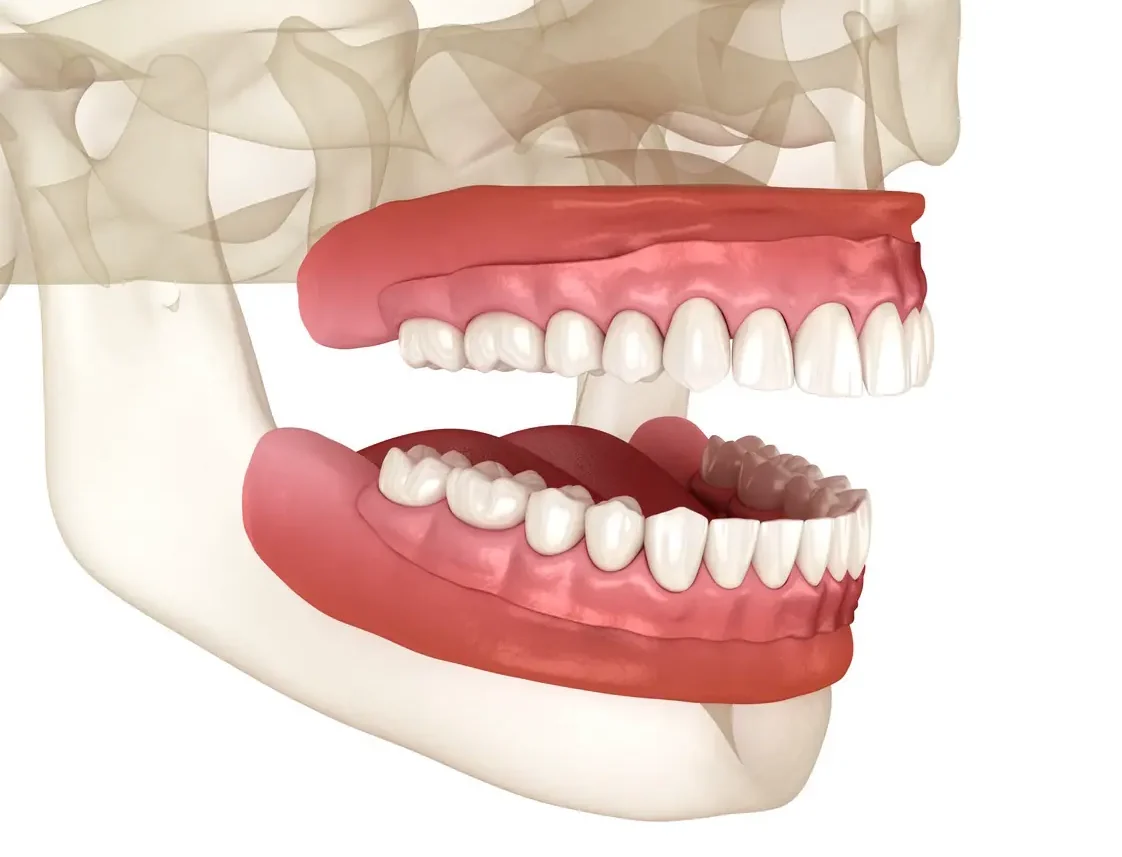
A Denture Consultation usually includes an oral exam, health review, discussion of missing teeth, and explanation of denture options. Your First Denture Appointment helps the dentist determine whether full dentures, partial dentures, immediate dentures, or implant-supported dentures fit your needs.
This visit is designed to answer practical questions before treatment begins. You can expect the dental team to evaluate your gums, remaining teeth, bite, bone support, and appearance goals. A clear plan helps reduce uncertainty and prepares you for each step toward a functional, natural-looking smile with fewer surprises later.
What Happens During A Denture Consultation?
Review Of Your Dental History
The first step is usually a conversation about your dental history.
Clear expectations also help patients feel more prepared when the treatment requires healing time or changes to eating habits over several planned visits.
Your dentist may ask about missing teeth, loose teeth, previous dentures, gum problems, extractions, medical conditions, and current medications.
Oral Examination
A denture consultation includes a careful examination of your mouth.
The dentist checks your gums, jawbone shape, remaining teeth, bite relationship, and soft tissues. If you still have teeth, the dentist evaluates whether they can support a partial denture or whether extractions may be needed.
Discussion Of Denture Options
Your dentist will explain which denture types may work for your situation.
Options may include full dentures, partial dentures, immediate dentures, flexible partials, or implant-supported dentures. Each option has different advantages, costs, timelines, and maintenance needs. The dentist may also explain how each choice affects chewing strength, speech, appearance, and future adjustments.
Patients who are still exploring options may find it helpful to review different types of dentures and how to choose the right one.
Appearance And Function Goals
Your preferences matter during denture planning.
The dentist may discuss tooth shade, tooth shape, smile appearance, chewing expectations, and comfort concerns.
Treatment Recommendations
At the end of the consultation, you should understand the next steps.
A personalized treatment plan helps outline timelines, costs, preparation requirements, and expected outcomes.
Will Impressions Be Taken During The First Visit?
When Impressions Are Taken
Impressions may be taken during the first visit, but not always.
If your mouth is ready for denture planning, impressions may be completed during the consultation.
Why Impressions Matter
Impressions create a detailed mold of your gums, teeth, and oral structures.
These records help the dental lab design a denture that fits your mouth accurately. Proper impressions are essential for comfort, stability, speech, and chewing function.
Preliminary And Final Impressions
Some patients need more than one impression.
A preliminary impression may help create a custom tray, while a final impression captures more precise details.
Digital Scans
Some dental offices may use digital scanning when appropriate.
Your dentist will explain which method is best for your treatment.
If Extractions Are Needed
If teeth must be removed first, impressions may be timed around extractions.
For immediate dentures, impressions are often taken before extractions so the denture can be placed soon after teeth are removed.
Patients requiring extractions may also benefit from discussing available oral surgery services before treatment begins.
How Long Does It Take To Get Your Dentures?
Typical Denture Timeline
The timeline for receiving dentures varies by patient.
Some dentures may be completed in a few weeks, while more complex cases can take longer. The schedule depends on the type of denture, healing needs, lab work, and number of appointments.
Conventional Dentures
Conventional dentures are made after the gums have healed from extractions.
This usually provides a better final fit because the tissues have stabilized. However, patients may need a temporary option during healing.
Immediate Dentures
Immediate dentures are prepared before tooth removal and placed soon after extractions.
They help patients avoid being without teeth, but adjustments are expected as the gums heal and shrink.
Implant-Supported Dentures
Implant-supported dentures usually take longer.
The process may include implant placement, healing time, attachment selection, and final denture fabrication. The longer timeline often results in improved stability.
Patients interested in this option may want to learn more about implant-supported dentures versus traditional dentures.
Laboratory Fabrication
Denture creation involves several lab steps.
Custom fabrication, adjustments, and quality checks all contribute to creating a denture that fits comfortably and functions properly.
How Many Appointments Are Needed For Dentures?
Initial Consultation
The first appointment focuses on evaluation and planning.
Impression Appointment
An impression appointment records the shape of your mouth.
For some patients, this may happen during the consultation. Others return for separate impressions after preliminary treatment or extractions.
Bite Registration
A bite registration records how your upper and lower jaws come together.
This step helps the denture teeth meet properly when you chew and speak.
Try-In Appointment
A wax try-in may be scheduled before the final denture is made.
During this visit, you can preview tooth position, bite, and appearance. Adjustments may be made before final processing.
Delivery Appointment
At delivery, the dentist places the denture and checks the fit.
The bite, pressure points, retention, and appearance are evaluated. Instructions are provided for wearing, cleaning, and storing the denture.
Follow-Up Visits
Follow-up appointments are common.
They allow the dentist to adjust sore spots and improve comfort as your mouth adapts.
Will Dentures Feel Uncomfortable At First?
A Normal Adjustment Period
New dentures often feel unfamiliar at first.
Your mouth, tongue, cheeks, and muscles need time to adapt to the appliance. Mild soreness, increased saliva, speech changes, or chewing difficulty can occur during the early adjustment phase.
Learning To Eat With Dentures
Eating with new dentures takes practice.
Soft foods are usually easier at first. Patients are often encouraged to chew slowly, use both sides of the mouth, and avoid very sticky or hard foods during the adjustment period. This helps the denture stay balanced while your muscles learn new patterns.
Speech Changes
Some patients notice slight changes in speech.
Reading aloud and practicing common words can help the tongue adapt to the denture shape. Speech usually improves as comfort and coordination increase.
Sore Spots
Pressure spots can develop when new dentures rub against the gums.
Small adjustments may be needed to improve comfort.
When To Call The Dentist
Persistent pain, ulcers, looseness, or difficulty eating should be evaluated.
A dentist experienced with denture treatment can make adjustments that improve fit and help prevent ongoing irritation.
What Adjustments Are Needed After Getting Dentures?
Pressure Point Adjustments
The most common adjustments address sore areas.
Dentists can gently modify the denture base to reduce pressure on irritated tissues. These adjustments are especially common during the first few weeks.
Bite Adjustments
The bite may need refinement after delivery.
If the denture teeth do not meet evenly, chewing can feel awkward or uncomfortable. Bite adjustments help improve balance and function.
Relines
A reline may be needed when the gums and bone change shape.
This is common after extractions because healing tissues shrink over time. A reline improves the internal fit of the denture.
Fit And Stability Improvements
Dentures may loosen as oral tissues change.
Adjustments, relines, adhesives, or implant support may be discussed depending on the situation. The goal is to improve comfort and confidence.
Ongoing Maintenance
Dentures require regular dental visits.
Your dentist checks the fit, examines oral tissues, screens for irritation, and evaluates whether repairs or replacements are needed. Regular care helps protect your mouth and extend denture performance.
Start Your Denture Journey With Clear Guidance
At Benage Dental Care, we understand that starting denture treatment can feel unfamiliar. We take time to explain each step, answer your questions, and help you understand which option fits your needs.
Whether you are replacing several teeth or preparing for full dentures, we focus on comfort, function, and natural-looking results. Our goal is to provide clear guidance from the first visit through adjustments, so you can feel more confident about your treatment and your smile.
If you’re ready to begin, you can schedule an appointment to discuss your denture options with our team.
Final Thoughts
A first denture appointment is focused on evaluation, planning, and helping patients understand their options. The visit may include an oral exam, medical history review, X-rays, impressions, and discussion of full, partial, immediate, or implant-supported dentures.
Some patients receive impressions right away, while others need extractions or additional preparation first. Dentures often require several appointments for fitting, try-ins, delivery, and adjustments. Mild discomfort is common at first, but follow-up care improves fit, comfort, speech, chewing, confidence, and daily function during everyday use as the mouth adapts to the appliance gradually.