

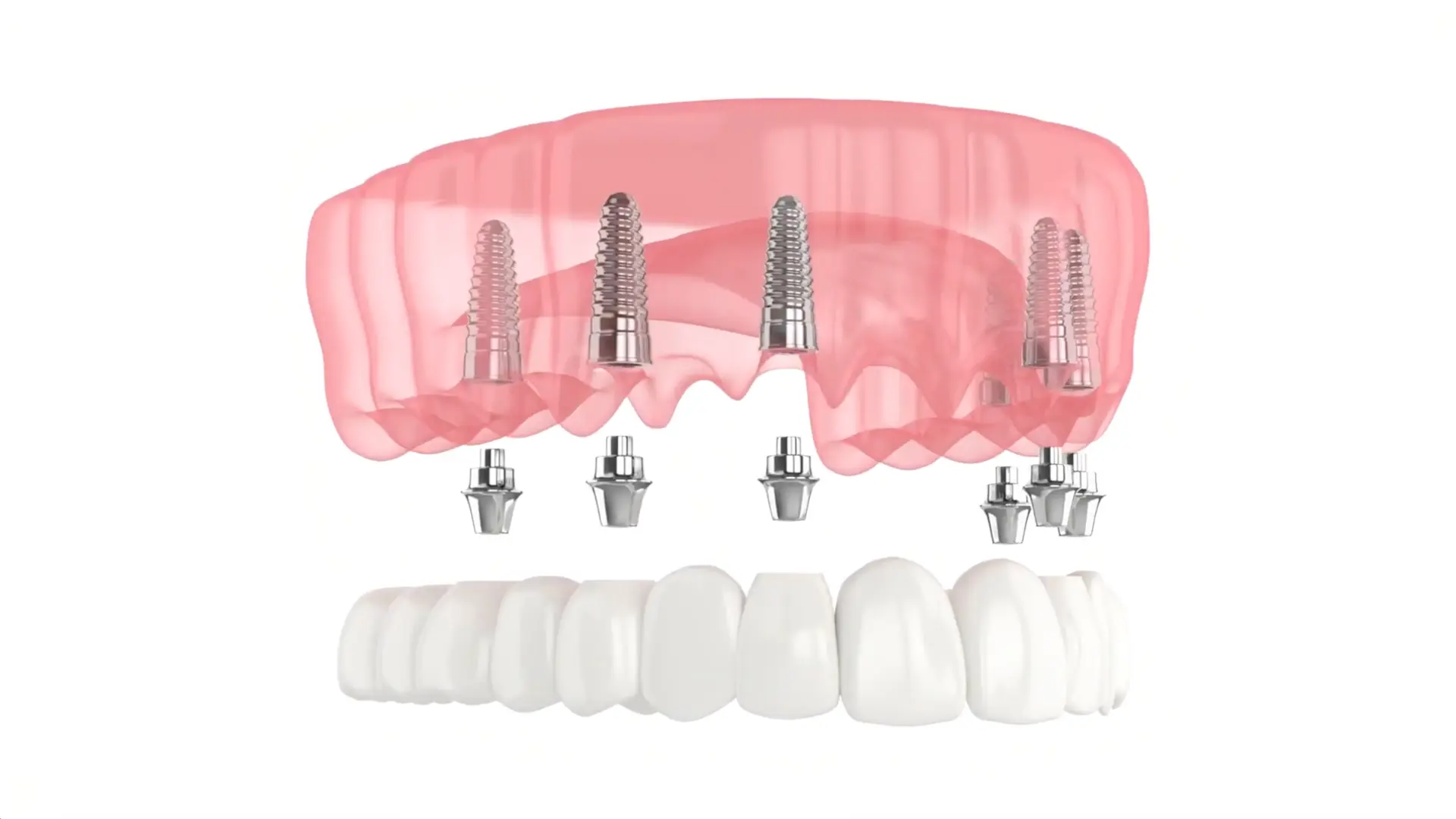
Choosing our clinic for dental implants means receiving personalized planning, clear explanations, coordinated treatment, and ongoing support from consultation through restoration. Benage Dental Care evaluates your health, bone condition, bite, smile goals, and maintenance needs before recommending an implant plan.
The right provider should combine training, careful diagnostics, appropriate technology, transparent costs, and realistic expectations. Implant treatment is not identical for every patient. A thorough evaluation helps determine whether you need extraction, bone grafting, implant placement, healing time, or another solution. That planning supports safer care and a durable result.
What Should I Look for When Choosing a Dental Implant Provider?
Choose a provider who completes a detailed medical and dental assessment before discussing surgery. The consultation should cover missing teeth, gum health, bone volume, medications, smoking, chronic conditions, previous procedures, and your expectations.
The FDA recommends discussing the benefits, risks, candidacy, healing, and expected implant lifespan with a dental provider before treatment. Overall health can affect both healing and long-term performance.
Look for Complete Treatment Planning
Ask who will place the implant, restore it, manage complications, and provide maintenance. A strong plan should explain alternatives, treatment stages, estimated costs, anesthesia options, possible grafting, recovery, and follow-up. The provider should also discuss risks such as infection, injury to surrounding structures, implant failure, and damage from excessive forces.
Benage Dental Care focuses on helping patients understand the full process before treatment begins. Patients can also learn more about the clinic’s doctors and dental team before choosing a provider.
How Experienced Should a Dentist Be With Dental Implants?
There is no single number of years or procedures that guarantees a good result. Relevant education, hands-on training, case selection, treatment planning, and complication management matter more than a simple total.
The American Academy of Implant Dentistry states that implants require careful placement and recommends choosing a dentist with proper education, training, and competence in implant dentistry.
Ask Specific Experience Questions
Ask how often the dentist evaluates and treats cases similar to yours. A straightforward single-tooth implant is different from a full-arch restoration, an implant in limited bone, or treatment near important nerves and sinuses.
Request information about continuing education, professional credentials, surgical training, restorative experience, and referral relationships. A dental implant specialist should be able to explain why a proposed approach suits your anatomy. The answer should be specific to your case, not based only on a standard package or promotional offer.
What Technology Is Used During Dental Implant Treatment?
Implant treatment may use digital X-rays, panoramic imaging, cone-beam computed tomography, intraoral scanning, virtual planning software, and surgical guides. Not every patient needs every technology.
CBCT creates three-dimensional images that can help clinicians evaluate bone, anatomy, and potential implant positions. ADA information notes that CBCT is used in implant placement, while imaging should be selected according to the patient and clinical need.
Technology Should Support Clinical Judgment
Planning software may combine scan data to help design the implant position and future restoration.
However, technology does not replace training, examination, sterile technique, or sound judgment.
Ask why each image or tool is recommended, what information it provides, and how it changes the plan. Useful technology should improve diagnosis, communication, precision, or efficiency rather than add cost without a clear clinical purpose.
What Is the Success Rate of Dental Implants?
Dental implants generally have high survival rates, but no provider can guarantee success. Results vary with patient health, bone quality, implant position, smoking, oral hygiene, bite forces, maintenance, and the definition of success.
Long-term evidence remains encouraging but shows that survival declines over time. A 2024 meta-analysis reported 20-year survival findings around four out of five implants after statistical adjustment and emphasized long-term follow-up and multifactorial failure risks.
Survival Is Not the Same as Perfect Health
An implant can remain in place while developing gum inflammation, bone loss, mechanical problems, or damage to the restoration. Your dentist should discuss personal risk factors rather than quoting one percentage as a promise. Gum disease, uncontrolled health conditions, inadequate cleaning, and heavy biting forces may affect prognosis. Patients with periodontal concerns may also need gum disease treatment before or alongside implant care.
Regular examinations, professional cleanings, home care, and prompt attention to changes support long-term function.
Good candidates also understand their role after treatment. Daily plaque removal, routine dental visits, protection from excessive biting forces, and early evaluation of symptoms help preserve the tissues and restoration. Choosing a clinic that explains these responsibilities before surgery supports realistic expectations and shared accountability throughout long-term care.
How Long Does the Dental Implant Process Take?
Treatment may take several months, although timing differs widely. The process can include consultation, imaging, extraction, grafting, implant placement, healing, abutment placement, impressions or scanning, and delivery of the final crown or bridge.
The AAID explains that total treatment time depends on medical and dental history, jawbone condition, techniques, materials, and individual needs.
Healing Often Determines the Schedule
After placement, the implant usually needs time to integrate with the jawbone. Some patients may qualify for immediate placement or a temporary tooth, but immediate treatment is not suitable for every site. Stability, infection, bone, bite, and esthetic demands affect that decision.
Before starting, request a written sequence with estimated time ranges. Depending on your needs, the plan may involve related procedures such as oral surgery or sedation dentistry.
Do Dental Implants Come With a Warranty or Guarantee?
Warranty policies vary by dental office, implant manufacturer, laboratory, and restoration type. Ask for written terms before treatment.
A policy may cover defects in an implant component, crown, bridge, or workmanship for a defined period.
Be Cautious With Guarantees
No ethical provider can promise that surgery will succeed or that an implant will last forever. Biology, healing, patient habits, and future health cannot be controlled completely.
Ask what happens if the implant does not integrate, a component loosens, or the restoration chips. Confirm which fees would be repeated and which would remain your responsibility.
A valuable policy explains follow-up, maintenance requirements, exclusions, and the process for reporting concerns.
Why Are Dental Implants Worth the Investment?
Implants can replace missing tooth roots and support a crown, bridge, or denture. Unlike a removable option, an implant-supported restoration is anchored in the jaw and can provide stable function.
The FDA notes potential benefits that include improved chewing, appearance, comfort, and retention of surrounding bone, depending on the individual case. It also stresses that implants carry surgical and long-term risks.
Consider Long-Term Value
Consider expected function, maintenance, longevity, treatment time, future repairs, and effects on nearby teeth.
An implant may avoid preparing adjacent healthy teeth for a traditional dental bridge. It may also improve denture stability for appropriate patients considering implant-supported dentures. However, alternatives may be more suitable when health, anatomy, finances, or preferences make implant treatment less appropriate.
Patients considering dental implants in Cleburne, TX should request an itemized plan covering surgery, grafting, components, temporary teeth, final restoration, imaging, and follow-up. Transparent pricing supports an informed decision without reducing treatment to the lowest advertised fee. Patients should also review available insurance and payment information before beginning treatment.
Key Takeaways
- Choose an implant clinic that provides detailed evaluation, relevant experience, appropriate imaging, transparent pricing, and coordinated follow-up.
- Technology such as CBCT and digital planning can support diagnosis and placement when clinically justified, but it does not replace judgment or training.
- Implant survival is generally high, although health, hygiene, smoking, bone, bite, and maintenance affect outcomes.
- Treatment often takes several months and cannot be guaranteed.
- Written warranty terms should explain coverage and exclusions.
- Dental implants may provide lasting function and value when candidacy, planning, surgery, restoration, and ongoing care are managed.
Build Your New Smile on Careful Planning
Benage Dental Care approaches implant treatment as a personalized process rather than a standard procedure. We begin by reviewing your health, oral condition, goals, and available options so you understand what treatment may involve.
Schedule a consultation with Benage Dental Care to discuss whether implants are appropriate for you. A careful evaluation can clarify timing, costs, alternatives, potential risks, and the steps needed to create a functional restoration designed around your smile and long-term oral health.