

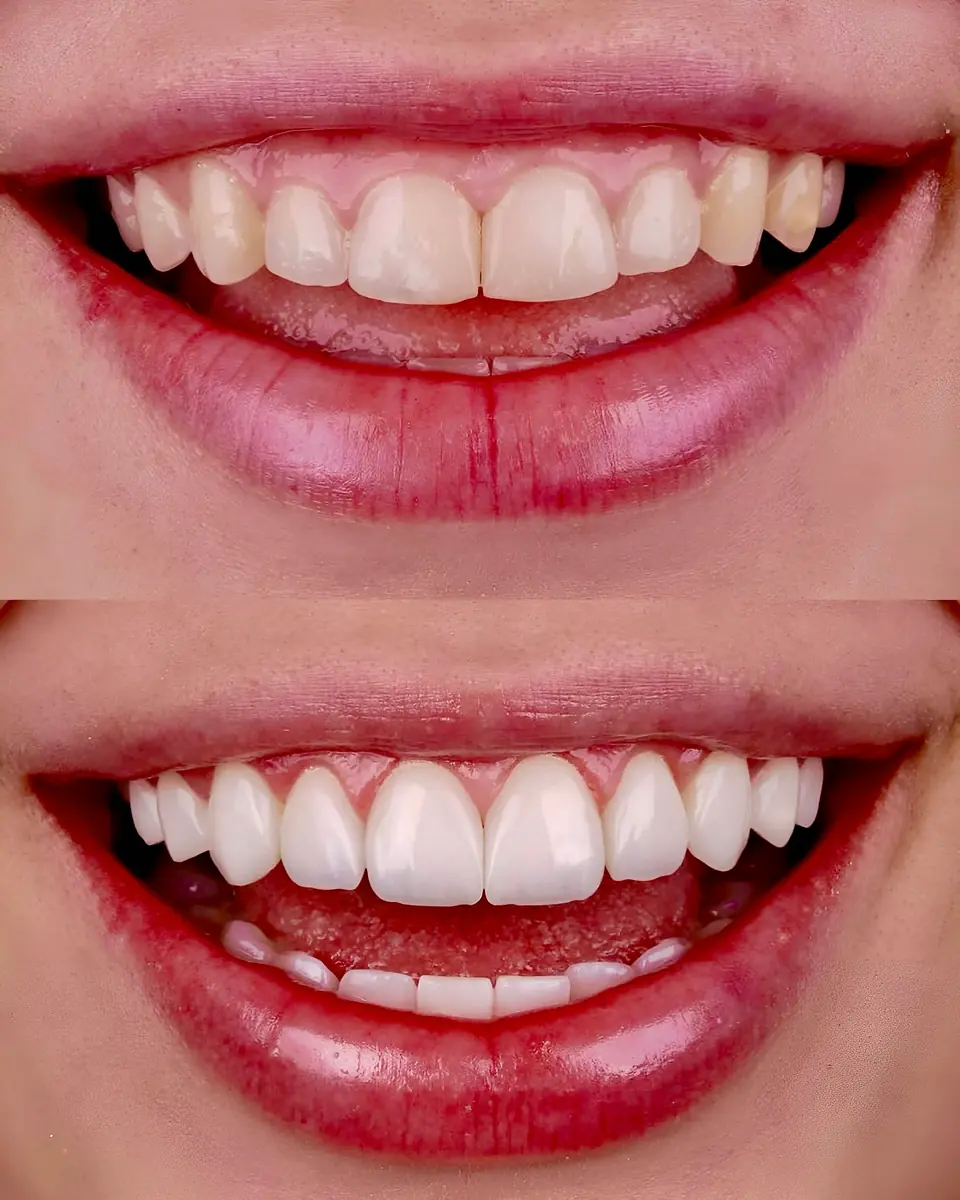
Routine dental cleaning and deep cleaning serve different purposes. Routine cleaning removes plaque and tartar as part of preventive care, while deep cleaning, also called scaling and root planing, treats periodontal disease below the gumline. Your dentist recommends the appropriate procedure based on gum measurements, examination findings, and imaging.
When comparing deep cleaning vs routine cleaning, the important question is not which procedure makes your teeth look cleaner. It is whether the tissues supporting your teeth are healthy. Understanding the findings behind your dentist’s recommendation can help you make an informed decision about your care.
Purpose of Routine Cleaning
Routine dental cleaning helps prevent oral health problems by removing plaque, tartar, and certain surface stains.
Also called dental prophylaxis, this procedure is generally intended for patients without periodontal disease requiring active treatment.
Even with consistent brushing and flossing, hardened deposits can accumulate in areas that are difficult to reach at home.
Professional cleaning removes these deposits and provides an opportunity to evaluate changes in oral health.
What Happens During a Routine Cleaning?
A preventive cleaning generally involves removing plaque and tartar from accessible tooth surfaces, followed by polishing when appropriate.
The dental hygienist may also review brushing and flossing techniques based on the patient’s needs.
At Benage Dental Care of Cleburne, our general dentistry appointments include professional cleanings, dental examinations, and personalized preventive recommendations.
We evaluate each patient’s oral health rather than assuming the same cleaning schedule or procedure is appropriate for everyone.
Why Routine Cleaning Is Not Enough for Every Patient
A regular cleaning primarily supports ongoing prevention.
However, bacteria and hardened deposits can accumulate deeper beneath the gums when periodontal disease develops.
These areas may not be adequately addressed through ordinary prophylaxis.
For example, a patient may attend regular dental appointments but develop deeper periodontal pockets over time.
Even if the visible teeth appear clean, the dentist may identify disease affecting the supporting tissues.
In that situation, a more extensive therapeutic procedure may be necessary.
Is Every Patient With Bleeding Gums a Deep-Cleaning Candidate?
No.
Bleeding gums can indicate gingivitis, an early form of gum disease involving inflammation without the attachment and bone loss characteristic of periodontitis.
The American Dental Association (ADA) distinguishes preventive cleaning from periodontal treatment and recognizes separate care for certain patients with substantial gum inflammation but no attachment loss.
Therefore, bleeding alone does not automatically justify scaling and root planing.
The dentist must establish the diagnosis before selecting the procedure.
What Scaling and Root Planing Treats
Scaling and root planing is a nonsurgical treatment commonly recommended for periodontitis.
Periodontitis develops when inflammation and bacterial deposits contribute to the breakdown of the tissues supporting the teeth.
As the condition progresses, deeper spaces can form between the teeth and gums.
These periodontal pockets can collect bacteria and tartar that ordinary home care cannot adequately remove.
How Deep Cleaning Differs From Preventive Care
Scaling and root planing focuses on removing deposits from affected tooth and root surfaces, including areas below the gumline.
The procedure has two main components.
- Scaling removes plaque and hardened tartar from tooth surfaces and periodontal pockets.
- Root planing involves carefully treating affected root surfaces to remove remaining deposits and support healthier tissue conditions.
The ADA identifies scaling and root planing as an established initial nonsurgical treatment for periodontitis.
The objective is to reduce the bacterial burden and inflammation contributing to periodontal breakdown.
Why It Is Not Simply a Longer Cleaning
Patients sometimes assume deep cleaning is recommended because they have more tartar than usual.
However, the amount of buildup alone does not determine whether scaling and root planing is necessary.
A patient may have substantial visible tartar without the attachment loss required for a periodontitis diagnosis.
Another patient may have relatively clean-looking teeth but deep periodontal pockets and evidence of bone loss.
These situations call for different treatment decisions.
The ADA’s dental procedure guidance specifically distinguishes scaling and root planing as therapeutic treatment rather than an unusually difficult routine cleaning.
Can Deep Cleaning Reverse Gum Disease?
Scaling and root planing can help control periodontal inflammation and improve gum health.
Some patients experience reduced bleeding and shallower pocket measurements after treatment.
However, deep cleaning does not automatically restore bone or periodontal attachment already lost to periodontitis.
The American Academy of Periodontology (AAP) explains that nonsurgical treatment has limitations, particularly in more advanced cases.
Some patients may require additional periodontal treatment.
The goal is to improve disease control and help maintain the remaining supporting structures.
At Benage Dental Care, we offer gum disease treatment in Cleburne, TX, including scaling and root planing when clinically appropriate.
Gum Measurements and Imaging
Your dentist should be able to explain the findings that led to a deep-cleaning recommendation.
A periodontal assessment evaluates more than how the gums look.
It considers pocket measurements, inflammation, bone support, and other signs of disease.
What Are Gum Pocket Measurements?
A periodontal probe is a small measuring instrument used to assess the space between the tooth and surrounding gum tissue.
The measurements are recorded in millimeters at several locations around each tooth.
Deeper pockets can make it harder to remove bacterial deposits through ordinary home care.
However, pocket depth must be interpreted alongside other findings.
Inflammation can temporarily increase measurements, while gum recession and attachment loss provide additional information about the supporting tissues.
A single number does not determine the entire diagnosis.
Why Bleeding During the Examination Matters
Bleeding during gentle probing can indicate inflammation.
The dentist evaluates where bleeding occurs and whether it is associated with deeper pockets or other periodontal findings.
Some patients with gum disease experience frequent bleeding when brushing.
Others notice very little.
Because symptoms can be subtle, the examination is important even when the gums do not feel painful.
What Dental X-Rays Can Reveal
Dental imaging helps evaluate bone levels around the teeth.
Bone loss may indicate that periodontal disease has affected the structures responsible for tooth support.
However, X-rays are only one part of the assessment.
The dentist considers imaging alongside probing measurements, recession, tooth mobility, and medical history.
For instance, a patient with deeper pockets and radiographic evidence of bone loss may require a different treatment plan from someone with inflamed gums but healthy supporting bone.
What Should You Ask About Your Measurements?
If your dentist recommends scaling and root planing, ask to review the periodontal chart.
Useful questions include:
- Which teeth or areas show periodontal pockets?
- Is there evidence of attachment or bone loss?
- Have the findings changed since my previous examination?
- What periodontal diagnosis explains the treatment recommendation?
- Which areas require scaling and root planing?
- What improvement can reasonably be expected?
At Benage Dental Care, we believe patients should understand the findings behind their treatment recommendations.
Comfort and Appointment Planning
Deep cleaning generally involves more extensive treatment below the gumline than preventive cleaning.
The experience depends on the number of affected teeth, periodontal pocket depth, and individual sensitivity.
Does Deep Cleaning Require Numbing?
Local anesthesia may be recommended to help keep scaling and root planing comfortable.
The ADA notes that the procedure sometimes requires a local anesthetic.
The decision depends on treatment depth, patient comfort, and the areas requiring attention.
Tell your dental team about previous sensitivity, dental anxiety, or concerns about anesthesia.
Your provider can explain the planned approach before beginning.
How Many Appointments Are Needed?
Scaling and root planing may be completed over more than one visit.
Some patients require treatment in several areas of the mouth.
Others may need a more limited procedure.
The number and length of appointments depend on the clinical findings and treatment plan.
There is no universal schedule for every patient.
Before treatment, ask which areas will be addressed during each visit and whether follow-up appointments are already planned.
What Happens After Scaling and Root Planing?
Temporary gum soreness, mild bleeding, and tooth sensitivity may occur after treatment.
According to the ADA, discomfort may last a day or two, while tooth sensitivity can sometimes persist for approximately a week.
Recovery varies.
Patients should receive individualized instructions for brushing, cleaning between teeth, and managing sensitivity.
Contact the dental office if discomfort worsens, bleeding is significant, or symptoms seem unusual.
Why Follow-Up Is Necessary
After treatment, the dentist needs to evaluate how the gums have responded.
This may involve repeating periodontal measurements and checking whether inflammation has improved.
Some patients respond well to nonsurgical treatment.
Others may have persistent deeper pockets or other concerns requiring additional evaluation.
Follow-up is therefore part of determining whether the initial treatment adequately addressed the diagnosed condition.
Periodontal Maintenance After Treatment
One important difference between routine cleaning and deep cleaning involves what happens afterward.
Patients treated for periodontitis may need ongoing periodontal maintenance rather than returning immediately to their previous preventive cleaning schedule.
What Is Periodontal Maintenance?
Periodontal maintenance is continuing care for patients who have undergone active periodontal treatment.
Appointments may include evaluating the gums, reviewing pocket measurements, removing deposits, and monitoring areas with a history of disease.
The AAP explains that many patients require maintenance following scaling and root planing to help sustain periodontal health.
This is different from a routine preventive cleaning because the patient has an established history of periodontal disease.
How Often Will Maintenance Be Needed?
The appropriate interval depends on disease severity, treatment response, and individual risk factors.
Some patients may be advised to return approximately every three to four months.
Others may have a different schedule.
Factors that can influence the recommendation include:
- Remaining periodontal pocket depth
- Ongoing bleeding or inflammation
- Previous attachment or bone loss
- Home-care effectiveness
- Tobacco use
- Certain medical conditions
- The stability of previous treatment results
The dentist should explain why a particular interval is recommended and when it may be reassessed.
Can You Return to Routine Cleanings?
That decision depends on your periodontal condition and treatment history.
A patient with a history of periodontitis may continue to need periodontal maintenance even when symptoms have improved.
Healthy-looking gums do not necessarily mean the previous supporting-tissue loss has disappeared.
Your dentist should explain how future care will be classified and what monitoring is necessary.
Why Daily Care Still Matters
Professional treatment cannot replace brushing and cleaning between the teeth.
Plaque continuously forms on dental surfaces.
The ADA recommends brushing twice daily with fluoride toothpaste and cleaning between teeth every day.
Patients with periodontal disease may benefit from individualized instruction about floss, interdental brushes, or other appropriate tools.
Consistent home care supports the results of professional treatment and helps manage future inflammation.
Questions for Your Cleburne Dentist
If you have been told that you need more than a regular cleaning, the next step is understanding why.
At Benage Dental Care of Cleburne, Drs. Mark and AnneMarie Benage provide preventive dental care and gum disease treatment for patients in Cleburne and throughout Johnson County.
Our general dentistry services include routine examinations, professional cleanings, diagnostic imaging, and individualized treatment planning.
Questions to Ask Before Agreeing to Treatment
Before scheduling scaling and root planing, consider discussing:
- What is my diagnosis? Ask whether the findings indicate gingivitis, periodontitis, or another condition.
- Which measurements support the recommendation? Review the periodontal chart and relevant imaging.
- Why is a routine cleaning insufficient? Ask how the treatment addresses the diagnosed problem.
- How many visits will I need? Confirm the expected treatment areas and appointment sequence.
- What follow-up care is planned? Discuss when your gums will be reassessed.
- What will insurance cover? Request an estimate of your expected financial responsibility.
These questions help establish what the treatment involves without assuming that every patient needs the same procedure.
What About Dental Insurance?
Routine cleaning and scaling and root planing may be covered under different dental insurance benefits.
Some plans classify routine cleaning as preventive care and scaling and root planing as periodontal treatment.
The ADA explains that insurers may use different documentation and reimbursement criteria, even for patients with similar findings.
Coverage decisions do not independently determine the clinical diagnosis.
Before scheduling, request a written treatment estimate and ask whether deductibles, waiting periods, or frequency limitations apply.
Benage Dental Care provides information about insurance and payment options, but actual coverage must be verified for your plan.
Frequently Asked Questions
How Is a Deep Cleaning Different?
A deep cleaning, or scaling and root planing, addresses bacterial deposits on affected root surfaces beneath the gums when periodontitis is present. Routine cleaning primarily removes deposits as part of preventive care for patients without periodontal disease requiring active treatment.
Why Can’t I Have a Regular Cleaning Instead?
You can discuss alternatives with your dentist, but a routine cleaning may not adequately treat deeper periodontal pockets or deposits associated with periodontitis. The recommendation should be based on a documented diagnosis, not simply the amount of tartar present.
Does Deep Cleaning Require Numbing?
It may. Local anesthesia is often used when scaling and root planing involves sensitive or deeper areas. Your dentist will consider the planned procedure and your comfort needs before selecting the appropriate approach.
What Happens After Scaling and Root Planing?
Your gums may feel tender, and temporary bleeding or sensitivity can occur. A follow-up evaluation helps determine the treatment response. Many patients also require ongoing periodontal maintenance to help manage their gum health.
Does Everyone With Bleeding Gums Need Deep Cleaning?
No. Bleeding can occur with gingivitis, which does not necessarily involve permanent supporting-tissue loss. The dentist evaluates pocket measurements, bone levels, and other findings before recommending a specific cleaning procedure.
Understand Your Gum Health at Benage Dental Care
A deep-cleaning recommendation should come with a clear explanation of what your dentist found and why the procedure may be necessary.
At Benage Dental Care of Cleburne, we provide routine dental examinations, professional cleanings, and periodontal treatment based on each patient’s oral health needs.
If you have questions about bleeding gums, periodontal measurements, or a recommended deep cleaning, our team can evaluate your condition and discuss appropriate treatment options.
Call Benage Dental Care at (817) 641-6261 to schedule a gum-health evaluation at 302 North Ridgeway Drive, Cleburne, TX 76033. We can help you understand whether routine preventive care or periodontal treatment is appropriate for your situation.