
People often talk about dental crowns as replacements, substitutes, or stand-ins for natural teeth. That language alone creates confusion. A crown isn’t trying to be your original tooth. It’s trying to protect what’s left of it and restore function in a way your body can live with long-term.
That distinction matters more than most people realize.
Patients frequently ask, “Will it feel the same?” or “Is it just as good as my real tooth?” The honest answer is nuanced. Dental crowns and natural teeth are different in important ways, but those differences don’t automatically mean worse. In many cases, they mean stronger, safer, and more predictable.
The key is understanding where the differences actually matter and where they don’t.
What is The Main Difference Between Dental Crowns and Natural Teeth?
The most important difference is also the simplest one.
A natural tooth is living tissue.
A dental crown is not.
Natural teeth contain nerves, blood supply, and microscopic structures that respond to pressure, temperature, and trauma. They adapt over time. They send signals to your brain when something feels off.
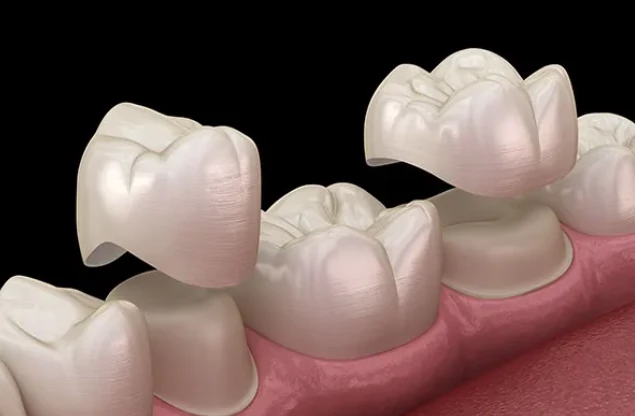
A crown, on the other hand, is a protective shell placed over a tooth that has been damaged, weakened, or heavily restored. It relies on the tooth underneath for support, but it doesn’t have sensation or biological feedback of its own.
That leads to several real-world differences:
- Natural teeth can feel hot, cold, and pressure directly
- Crowns transmit sensation indirectly through the tooth beneath
- Natural enamel wears gradually and unevenly
- Crowns are designed to resist wear more consistently
- Natural teeth can heal minor irritation
- Crowns cannot self-repair
This doesn’t mean crowns are inferior. It means they behave differently. Dentistry isn’t about pretending those differences don’t exist. It’s about designing crowns that work with the mouth instead of against it.
Do Dental Crowns Feel the Same as Natural Teeth When Chewing?
Most patients are surprised by how normal a crown feels once they adjust. That said, “normal” doesn’t always mean identical.
Chewing sensation comes from a combination of pressure receptors in the tooth and surrounding bone. With a crown, that sensation still exists, but it’s slightly muted or altered depending on the condition of the underlying tooth.
Patients often notice differences early on, such as:
- A slightly different bite sensation
- Height awareness when the crown is new
- Increased sensitivity if the tooth nerve is still alive
- A brief adjustment period when chewing harder foods
In most cases, these sensations fade within a few weeks. The brain adapts quickly. Once that happens, many patients stop noticing which tooth has a crown at all.
What matters more than sensation is function. A well-designed crown restores proper chewing forces and protects the tooth from further damage. Poorly designed crowns, even if they “feel okay” initially, can cause long-term problems.
When crowns feel unnatural long-term, it’s usually due to:
- Improper bite alignment
- Inaccurate shape or contour
- Issues with the tooth underneath
- Lack of proper adjustment
When done right, crowns don’t need to feel identical to natural teeth. They need to feel stable, balanced, and comfortable.
Can A Dental Crown Last As Long As A Natural Tooth
This question assumes natural teeth always last forever. In reality, many natural teeth fail due to decay, cracks, or repeated restorations long before a crown would.
A dental crown doesn’t automatically shorten the life of a tooth. In many cases, it extends it.
Crowns are often placed because a tooth is already compromised. Large fillings weaken enamel. Cracks create risk. Decay removes structural integrity. A crown redistributes chewing forces and shields the tooth from further breakdown.
With proper care, crowns can last decades.
Factors that influence crown longevity include:
- Material selection
- Bite forces and grinding habits
- Oral hygiene
- Regular dental checkups
- Health of the supporting tooth and gums
Natural teeth benefit from biology. Crowns benefit from engineering. Each has strengths.
A natural tooth with healthy enamel and structure may last a lifetime. A damaged tooth without a crown may not. A crowned tooth, protected and maintained, often outperforms expectations.
Longevity isn’t about which option is “real.” It’s about which option is realistic for that specific tooth.
Why Does The Difference Between Crowns And Natural Teeth Matter For Oral Health
This is where the conversation gets interesting.
The differences between crowns and natural teeth matter not because one is better, but because they require different care and awareness.
Crowns don’t decay, but the tooth underneath can. That means hygiene still matters deeply, especially at the crown margin where bacteria love to hide.
Crowns don’t feel temperature the same way, so early warning signs may be subtler. Sensitivity changes or pressure discomfort may signal issues beneath the surface rather than on it.
Understanding the difference helps patients:
- Clean more effectively around crown edges
- Recognize changes that deserve attention
- Avoid habits that stress restored teeth
- Protect both crowned and natural teeth equally
Crowns also influence bite dynamics. They interact with opposing teeth, which may be natural or restored themselves. Balance matters. A crown that’s too hard or poorly shaped can wear down opposing enamel over time.
That’s why modern dentistry emphasizes precision. Crowns are designed not just to survive, but to coexist with natural teeth harmoniously.
The Emotional Difference Patients Don’t Expect
There’s also a psychological side to crowns that doesn’t get talked about much.
Some patients worry that having a crown means their tooth is “no longer theirs.” Others feel relieved knowing the tooth is protected. Both reactions are valid.
What usually happens over time is simple. Patients stop thinking about it.
Once a crown integrates into daily life, it becomes part of the mouth’s background. It doesn’t demand attention. It doesn’t change identity. It just works.
That’s often the goal of good dentistry. Not perfection. Not invisibility. Just reliability.
Why Crowns Exist In The First Place
Dental crowns aren’t compromises. They’re solutions to real structural problems.
They exist because natural teeth, while remarkable, aren’t indestructible. Modern dentistry doesn’t replace teeth lightly. Crowns are used when preservation is the better option compared to extraction or repeated repair.
Crowns allow dentists to:
- Save teeth that would otherwise fail
- Restore chewing efficiency
- Prevent fractures from spreading
- Maintain proper bite alignment
- Support long-term oral health
The difference between a crowned tooth and a natural tooth isn’t a loss. It’s a shift in how that tooth is protected.
When the Difference Truly Matters
The difference between crowns and natural teeth matters most when expectations are unclear.
Problems arise when patients assume crowns are indestructible or expect them to behave exactly like untouched enamel. They’re strong, but they’re not immune. They’re protective, not magical.
Understanding the difference empowers better care decisions and reduces disappointment.
When patients know what a crown can and can’t do, outcomes improve.
Crowns Aren’t About Replacing Nature, They’re About Respecting It
Dentistry has never been about copying nature perfectly. It’s about supporting it when it falters.
A crown isn’t trying to replace what was lost. It’s trying to protect what remains.
That distinction changes how patients experience restorative care.
Strong Teeth, Informed Choices, Better Outcomes
Restorative Dentistry That Puts Understanding First
At Benage Dental Care, we believe patients deserve clarity, not just treatment. Dental crowns are powerful tools when used thoughtfully, and understanding how they differ from natural teeth helps you care for your smile with confidence.
If you’ve been told you need a crown or have questions about an existing one, we’re here to walk you through the details without pressure. Schedule a visit with Benage Dental Care and let’s make sure your restoration supports your long-term oral health, not just today’s comfort.