

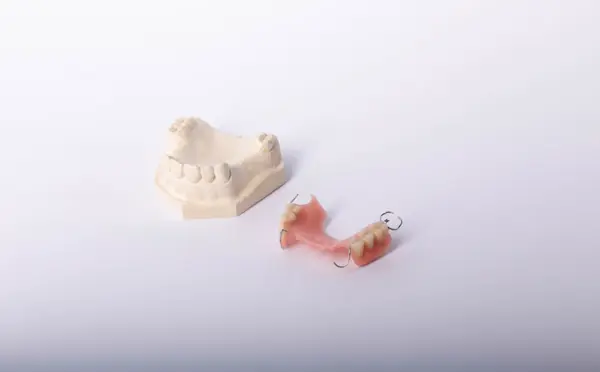
The Denture Cost depends on the type of denture, materials used, appointments needed, extractions, adjustments, and whether implants are included. The Cost of Dentures can range widely because each patient has different oral health needs, comfort expectations, and long-term treatment goals.
Dentures are not a one-size dental purchase. They restore chewing, speech, facial support, and confidence, so the lowest price is not always the best value. Understanding what affects pricing helps patients compare options more clearly and choose treatment that fits their health, lifestyle, comfort, personal priorities, and final budget.
How Much Do Dentures Typically Cost?
General Price Expectations
Denture pricing varies for full dentures, partial dentures, immediate dentures, flexible dentures, or implant-supported dentures.
Basic removable dentures usually cost less than advanced options with implant support. A single arch costs less than a complete set.
Full Dentures
Full dentures replace all teeth in either arch or both.
The total cost depends on material quality, appointment count, and customization for appearance and fit. Better materials provide improved comfort, durability, and a more natural look.
Partial Dentures
Partial dentures replace selected missing teeth using remaining teeth.
Their cost depends on replacement teeth, framework design, clasps, materials, and bite complexity. Partial dentures may cost less than full dentures when healthy teeth remain.
For some patients with limited tooth loss, dental bridges may also be considered as a restorative option.
Immediate Dentures
Immediate dentures are placed after extractions.
They help patients avoid going without teeth during healing, but they may require more adjustments as gums change shape. These visits can affect the total cost.
Implant-Supported Dentures
Implant-supported dentures cost more because they involve dental implants, surgical planning, attachments, and restorative design.
They provide stability, which many patients value. Patients considering this option can learn more about dental implant treatment.
Why Do Denture Prices Vary So Much?
Different Treatment Needs
Prices vary because patients rarely need the same treatment.
One person may need a simple partial denture, while another may need extractions, temporary dentures, implants, or adjustments before final placement.
Material Quality
Denture materials influence cost.
Higher quality teeth and bases can improve strength, appearance, and comfort. Lower-cost materials may meet basic needs but may not provide the same fit or durability.
Customization Level
Natural-looking dentures require careful customization.
Tooth shape, shade, size, gum color, bite alignment, and facial support all affect the final result. Detailed customization can increase cost but may improve comfort.
Number Of Appointments
Dentures often require visits for impressions, bite records, try-ins, fitting, and adjustments.
Complex cases may require appointments to ensure the denture fits properly and functions comfortably.
Dentist And Lab Experience
The skill of the dental team and quality of the dental lab can affect pricing.
Experienced providers focus on fit, function, and aesthetics rather than simply producing the lowest-cost appliance.
Are Implant-Supported Dentures More Expensive?
Why Implant Dentures Cost More
Implant-supported dentures are more expensive than traditional removable dentures.
The added cost comes from implant placement, imaging, surgery, healing time, attachments, and denture design.
Greater Stability
The main benefit is improved stability.
Implants help anchor the denture, reducing movement while eating, speaking, and smiling. This can make daily life more comfortable for patients who struggle with loose removable dentures.
Long-Term Function
Implant support may improve chewing strength and confidence.
Many patients find they can eat more foods and worry less about slipping. This improvement is a major reason people consider the higher cost.
Patients researching implant options may also benefit from reading about common misconceptions surrounding dental implants.
Bone Support Benefits
Implants can help stimulate the jawbone.
Traditional dentures rest on the gums and do not provide the same bone stimulation. Preserving bone may support facial structure over time.
Is The Higher Price Worth It?
The answer depends on the patient’s goals, oral health, and budget.
For patients who want stronger stability and long-term function, implant-supported dentures may offer excellent value.
Does Insurance Cover Denture Costs?
Coverage Depends On The Plan
Dental insurance may cover part of denture treatment, but coverage varies by plan.
Some policies classify dentures as a major restorative service and pay a percentage after deductibles or waiting periods are met.
Annual Maximums
Many dental plans have annual maximum benefits.
If treatment costs exceed that limit, the patient is responsible for the remaining balance. This is especially important for full dentures or implant-supported options.
Implant Coverage
Implant coverage is less predictable.
Some plans may cover the denture portion but not the implant surgery. Others may provide partial coverage if implants are considered medically necessary under the policy.
Pre-Treatment Estimates
Patients should request a pre-treatment estimate before beginning care.
This helps clarify expected insurance benefits, out-of-pocket costs, and payment timing. It also reduces surprises during treatment.
Flexible Payment Options
Even when insurance coverage is limited, many dental offices discuss payment options.
Patients looking for Affordable Dentures Cleburne, TX should ask about treatment plans that balance quality, comfort, and manageable costs. Reviewing available insurance and payment options can also help patients better understand financial planning for treatment.
What Factors Affect The Total Price Of Dentures?
Type Of Denture
The type of denture is one of the biggest pricing factors.
Full, partial, flexible, immediate, and implant-supported dentures each require different materials, techniques, and appointments.
Extractions Or Preparatory Care
Some patients need teeth removed before receiving dentures.
Extractions, gum treatment, bone smoothing, or other preparatory procedures can increase the total treatment cost.
Fit And Adjustments
A comfortable denture often requires careful fitting and follow-up adjustments.
These visits help reduce sore spots, improve stability, and refine bite function after placement.
Denture Relines
Over time, gums and bone change shape.
Relines may be needed to improve the fit of an existing denture. While not always part of the initial cost, they are part of long-term denture care.
Repairs And Replacements
Dentures do not last forever.
Material wear, bite changes, accidents, and oral health changes may require repairs or replacement. Patients should consider maintenance when comparing options.
Aesthetic Goals
A more natural appearance may involve premium teeth, detailed gum shading, or extra try-in appointments.
These details can increase cost but may improve patient satisfaction.
Are Cheaper Dentures Worth It In The Long Run?
Lower Upfront Cost
Cheaper dentures may appeal to patients who need an immediate solution or have a limited budget.
They can restore appearance and function, especially when no other option is financially realistic.
Possible Comfort Limitations
Lower-cost dentures may involve less customization.
This can affect fit, stability, chewing comfort, and natural appearance. Some patients need more adjustments after placement.
Durability Concerns
Budget dentures may use simpler materials that wear faster.
Over time, repairs, relines, or replacement may reduce the savings from the original lower price.
Impact On Daily Life
Dentures affect speaking, eating, confidence, and social comfort.
A poorly fitting denture can cause irritation, slipping, sore spots, and frustration. These concerns should be weighed against initial savings.
Finding Balanced Value
The best option is not always the cheapest or most expensive.
Patients should seek dentures that provide acceptable comfort, function, appearance, and durability within a realistic budget.
Find A Denture Option That Fits Your Budget
At Benage Dental Care, we understand that denture pricing can feel overwhelming when patients are comparing options. We take time to explain treatment choices, expected costs, insurance considerations, and long-term value before care begins.
We believe patients deserve dentures that fit comfortably, look natural, and support daily function. Whether you need full dentures, partial dentures, immediate dentures, or implant-supported solutions, we can help you review practical options and choose a treatment path that works for your oral health and budget.
If you’re ready to discuss your options, you can schedule an appointment with our team.
Final Thoughts
Denture pricing depends on the type of denture, materials, customization, extractions, appointments, insurance coverage, and whether implants are involved. Traditional removable dentures usually cost less upfront, while implant-supported dentures often provide stronger stability and long-term function.
Cheaper dentures may meet basic needs, but comfort, durability, and appearance should also be considered. Patients should compare total value, not only the lowest price. A personalized dental consultation helps identify the most practical option for restoring chewing ability, speech, facial support, natural appearance, lasting confidence, and comfort with affordable care choices that support lasting health.