

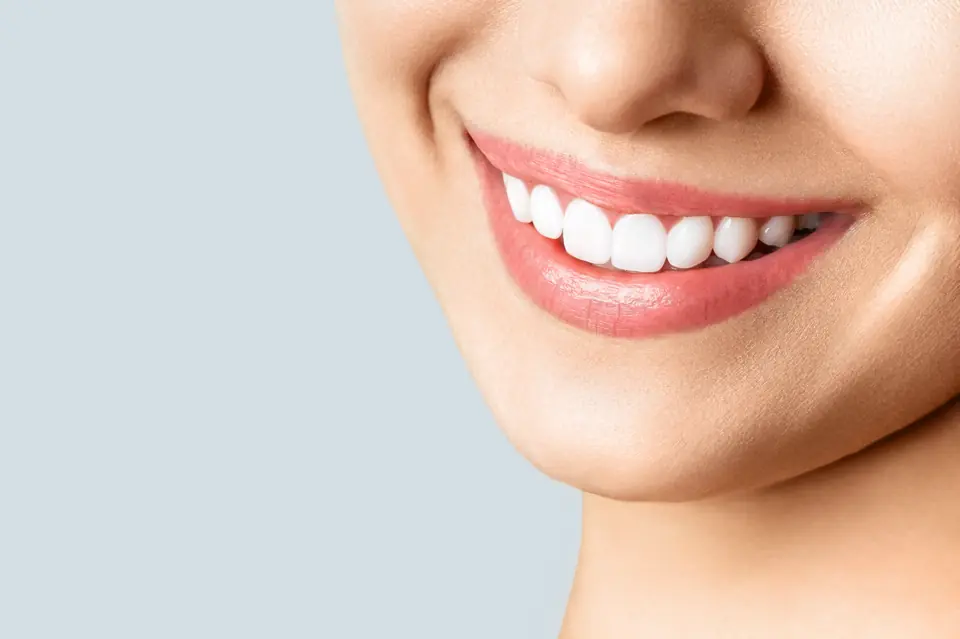
Professional whitening uses hydrogen peroxide or carbamide peroxide to penetrate enamel and break down stain molecules. The treatment changes how light reflects from the teeth, making them appear brighter without removing healthy tooth structure.
Examination and Shade Assessment
Before treatment, the dentist examines the teeth and gums. Cavities, leaking composite fillings, gum inflammation, exposed roots, or severe sensitivity may need attention first.
The dental team records the starting shade and discusses the likely outcome.
Gum Protection and Gel Application
A barrier is placed over the gums and nearby soft tissues. The whitening gel is then applied carefully to the visible surfaces of the teeth.
Depending on the system, the gel may remain in place for several timed intervals.
The gel is removed between rounds, and the teeth are checked before another application begins.
How Long Does a Teeth Whitening Appointment Take?
An in-office whitening appointment usually takes about 60 to 90 minutes. The exact time depends on the whitening system, number of gel applications, examination needs, starting shade, and patient comfort.
Preparation Takes Time
The appointment may begin with photographs, a shade comparison, and a review of dental history. The team then isolates the lips, cheeks, and gums before applying the whitening material.
This preparation is important because concentrated gel can irritate soft tissues if it is not controlled carefully.
Treatment and Final Review
The active whitening stage may include several shorter application cycles. The provider checks the teeth and asks about sensitivity between cycles.
After the final rinse, the new shade is recorded. The dentist may apply a sensitivity-reducing product or provide instructions for home care.
Is Professional Teeth Whitening Safe?
Professional whitening is generally safe for suitable patients when a dentist evaluates the mouth and the product is used as directed. The American Dental Association identifies temporary tooth sensitivity and gum inflammation as the most common adverse effects of vital tooth whitening.
Dental Supervision Improves Safety
A dentist can identify problems that whitening will not correct, including decay, damaged enamel, exposed roots, gum disease, and discoloration caused by trauma.
Dental supervision also helps prevent excessive treatment. Overusing whitening products can irritate gums and damage oral tissues, so patients should follow professional directions instead of repeatedly applying products on their own.
Restorations Do Not Whiten
Porcelain crowns, porcelain veneers, dental bonding, and tooth-colored fillings do not respond like natural enamel. Whitening surrounding teeth may create a visible color difference.
The dentist should review restoration locations before treatment and explain whether replacement might be considered afterward.
How Many Shades Whiter Can My Teeth Get?
Many patients notice a visible improvement after one professional appointment, but no exact shade change can be guaranteed. Results depend on the original color, stain source, enamel thickness, age, treatment strength, and individual response.
Stain Type Changes the Outcome
Surface stains from coffee, tea, tobacco, and foods often respond well. Natural yellow tones may also lighten effectively.
Gray discoloration, fluorosis, medication-related staining, and teeth darkened after injury may respond less predictably. These concerns can require several treatments or alternatives such as bonding or veneers.
Brightest Is Not Always Most Natural
The goal should be an even, healthy-looking improvement that fits the face and surrounding dental work. Excessive whitening can increase sensitivity without producing a proportionate cosmetic benefit.
Teeth may also appear slightly brighter immediately after treatment because they are temporarily dehydrated. The final shade is better assessed after moisture returns and the color settles.
Does Teeth Whitening Cause Tooth Sensitivity?
Whitening can cause temporary sensitivity, especially to cold air, drinks, or food. It occurs because peroxide passes through enamel and dentin during treatment, temporarily affecting the tooth’s response to temperature.
Who Is More Likely to Feel Sensitivity?
Patients with existing sensitivity, gum recession, enamel wear, cracks, or exposed root surfaces may have a stronger reaction. Higher peroxide concentrations and longer exposure can also increase discomfort.
How Long Does It Last?
Sensitivity often improves within a few hours or days after treatment. Gum irritation should also settle when exposure was minor and temporary.
Severe, persistent, or localized pain is not typical and should be reported. Pain in one tooth may signal decay, a crack, an inflamed nerve, or another issue that needs evaluation rather than routine sensitivity care.
How Long Do Teeth Whitening Results Last?
Professional whitening results may last from several months to a few years. Longevity depends on diet, tobacco use, oral hygiene, dental cleanings, enamel characteristics, and how often staining drinks are consumed.
Daily Habits Matter
Coffee, tea, red wine, cola, dark sauces, and tobacco can gradually darken teeth again. Rinsing with water after staining foods and maintaining regular brushing can reduce buildup.
Professional cleanings remove surface deposits that make teeth appear dull. However, abrasive scrubbing should be avoided because it can wear enamel and expose darker dentin.
Touch-Up Treatment
Some patients use dentist-provided trays or periodic in-office touch-ups.
Whitening does not stop normal aging. Teeth naturally change color over time as enamel becomes thinner and dentin becomes more visible. Maintenance can refresh the result, but treatment should remain controlled.
What Should I Avoid After Teeth Whitening?
For the first 24 to 48 hours, avoid tobacco and foods or drinks that may contribute to staining. Follow the specific aftercare instructions provided by the dental team.
Limit Dark Foods and Drinks
Coffee, tea, red wine, cola, berries, curry, tomato sauce, soy sauce, and dark condiments can stain. Choose lighter foods such as plain yogurt, rice, eggs, chicken, fish, potatoes, and clear liquids.
If you consume a staining drink later, using a straw may reduce contact with the front teeth. Rinse with water afterward.
Avoid Extreme Temperatures
Very hot or cold foods can trigger sensitivity. Room-temperature choices may feel more comfortable.
Do not smoke or vape after treatment. Tobacco contributes to staining and can irritate oral tissues.
Continue brushing gently with a soft toothbrush and fluoride toothpaste. Avoid aggressive whitening products unless the dentist approves them. Contact the office if sensitivity becomes severe, gum irritation worsens, or one tooth develops persistent pain.
Key Takeaways
Professional teeth whitening includes:
- An oral examination
- Shade assessment
- Gum protection
- Controlled gel application
- Monitoring
- Aftercare guidance
Appointments often last 60 to 90 minutes, and results vary by stain type, enamel condition, age, and existing restorations. Temporary sensitivity and mild gum irritation are the most common side effects.
Whitening changes natural teeth but does not lighten crowns, veneers, bonding, or fillings. Avoid tobacco, dark foods, extreme temperatures, and unapproved whitening products immediately afterward. Consistent hygiene, cleanings, and dentist-guided touch-ups can help maintain a brighter smile safely for many patients.
Create a Brighter Smile With Benage Dental Care
Benage Dental Care helps patients understand whether professional whitening is appropriate for their teeth, gums, restorations, and cosmetic goals. Our team can evaluate discoloration, explain realistic results, and recommend a treatment approach that balances appearance, comfort, and oral health.
For patients considering professional teeth whitening in Cleburne, TX, a consultation provides clear information about appointment timing, sensitivity, shade expectations, aftercare, and future maintenance. Every smile responds differently, so treatment should be based on an examination rather than a promised number of shades.
Schedule a visit with Benage Dental Care to discuss a brighter smile through carefully planned professional teeth whitening.