

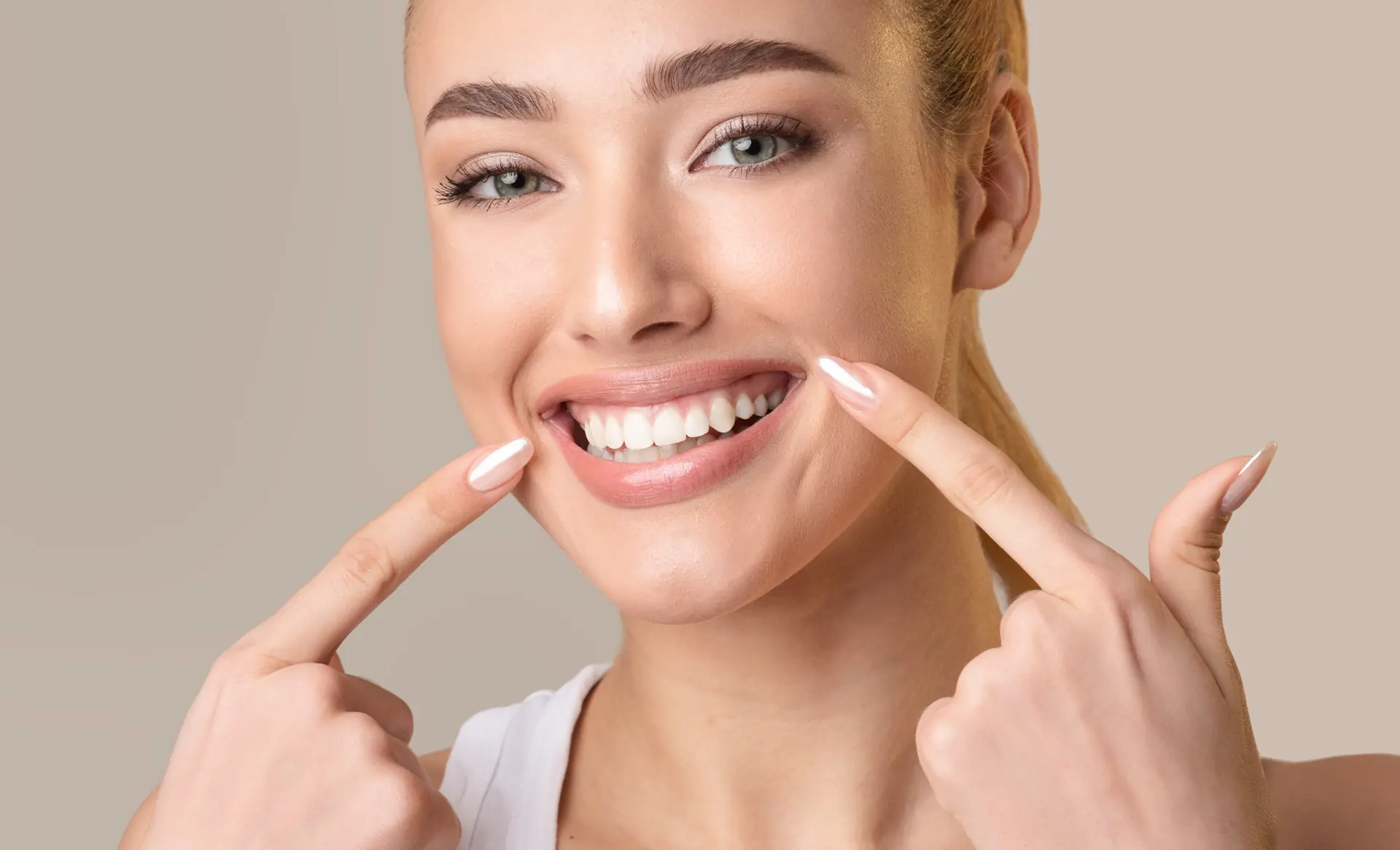
Invisalign treatment gives eligible patients a discreet, removable way to straighten crowded, spaced, or misaligned teeth without fixed metal brackets. Patients choose Benage Dental Care because treatment begins with an evaluation, digital planning, clear instructions, and ongoing monitoring focused on a healthy bite and balanced smile.
The right plan depends on tooth movement, gum health, bite concerns, age, and daily wear habits. Clear aligners are not appropriate for every case, but careful diagnosis can show whether Invisalign, braces, or another orthodontic approach offers the most predictable path toward your goals.
Why Do Adults Choose Invisalign Over Braces?
Many adults prefer Invisalign because the clear trays are less noticeable than metal brackets and wires. The aligners can be removed for meals, brushing, flossing, photographs, and important events.
Removability can make daily oral hygiene easier. Patients can clean their teeth more easily, but must also keep the trays clean.
Flexibility Requires Responsibility
Invisalign for adults can fit professional, social, and family routines, but convenience depends on disciplined wear. The American Association of Orthodontists explains that clear aligners apply gentle pressure and must be worn consistently to move teeth as planned.
Braces may still provide more predictable control for certain complicated movements. Benage Dental Care evaluates the bite, roots, gums, jaw relationships, and treatment goals before recommending a system. Patients interested in alternative clear aligner options can also learn about SureSmile Clear Aligners.
The best choice produces healthy, stable alignment and matches the patient’s ability to follow instructions. Patients should complete needed dental treatment first so aligners fit healthy teeth and gums throughout tooth movement.
How Long Does Invisalign Treatment Usually Take?
Treatment length varies because every smile requires a different number and type of tooth movements. Some patients see changes within weeks, and selected cases may achieve results in six months. Only the treating dentist can estimate the full timeline after examining the patient.
Many cases take longer than six months. Crowding severity, bite correction, tooth rotation, space closure, refinements, and missed wear time all affect duration.
Progress Must Be Monitored
Patients change to new aligners on the schedule provided by the dentist, often every one or two weeks. Appointments allow the team to check fit, movement, gum health, and compliance.
Additional aligners may be ordered when teeth need further refinement. Retainers are required after active treatment because teeth can shift over time.
A projected completion date is an estimate, not a guarantee. Consistent wear and regular follow-up usually provide the best chance of staying near the planned schedule.
Is Invisalign Painful?
Invisalign should not cause severe pain, but mild pressure or tenderness is common when a new aligner begins moving the teeth. The American Association of Orthodontists notes that patients often experience an adjustment period and mild discomfort during the first few days.
The sensation usually feels like tightness and decreases as the mouth adapts.
Know When To Contact The Office
Aligner edges may occasionally irritate the tongue, lips, or cheeks. Patients should not cut or reshape trays without guidance because changes can affect fit and movement.
Contact Benage Dental Care if an aligner causes significant pain, does not seat properly, cracks, or creates persistent sores. Sudden swelling, dental injury, or severe tooth pain also deserves prompt evaluation.
Over-the-counter pain medicine may help, but it should be used only as directed. The team can recommend comfort measures.
Can Invisalign Fix Severe Crowding Or Gaps?
Invisalign can treat many forms of crowding, spacing, crooked teeth, overbite, underbite, crossbite, and open bite. However, suitability depends on the exact movements required, not only the visible amount of crowding or space.
The American Association of Orthodontists cautions that clear aligners may be less predictable for severe malocclusions, major rotations, and large gaps. Some cases are treated more effectively with braces, additional appliances, extractions, or a combined approach.
Diagnosis Determines The Right Method
Digital scans and dental images help evaluate tooth positions, roots, bone, and bite relationships. Attachments, elastics, or other features may improve aligner control in more involved cases.
Avoid treatment promises based on photographs alone. A healthy plan must consider gum condition, cavities, impacted teeth, jaw growth, previous dental work, and long-term stability.
Benage Dental Care explains whether aligners can meet the goal and discusses alternatives when another method offers better control or efficiency. Patients exploring cosmetic treatment options may also find value in a Virtual Smile Consultation.
How Often Do I Need To Wear Invisalign Aligners?
Most patients should wear their aligners for 20 to 22 hours each day. The American Association of Orthodontists commonly recommends at least 22 hours, while Invisalign advises following the specific schedule provided by the treating doctor.
Aligners are generally removed for eating, drinking anything other than plain water, brushing, and flossing. They should be returned to the mouth promptly after cleaning.
Consistency Drives Tooth Movement
Teeth need steady pressure to follow the digital plan. Frequent removal for snacks, drinks, or events can reduce daily wear.
Patients should store aligners in their case rather than wrapping them in tissue, where they can be lost or discarded. Trays should be cleaned with the method recommended by the dental team.
A tracker or reminder can support consistent habits. Honest reporting during checkups allows the dentist to adjust the schedule safely.
What Happens If I Forget To Wear My Aligners?
Missing several hours occasionally may cause temporary tightness when the aligners are reinserted. Repeated or extended missed wear can allow teeth to shift away from the planned position.
The next tray may fit poorly, extend treatment, and require refinements. The AAO notes that inconsistent wear can hinder progress and compromise results.
Do Not Guess After A Long Break
If you forget your aligners for a short period, put them back in as soon as practical and continue the prescribed schedule. Do not automatically move to the next set early.
After a longer interruption, contact Benage Dental Care. The dentist may recommend wearing the current tray longer, returning to a previous tray, or booking an appointment for an examination.
Never force an aligner that will not seat. Forcing it can damage the tray or place inappropriate pressure on the teeth. Prompt guidance is safer than guessing.
How Much Does Invisalign Cost?
The cost depends on case complexity, treatment length, number of aligners, needed refinements, diagnostic records, retainers, and the services included by the dental office. Invisalign states that its treatment is often comparable in price to braces, but only a provider can calculate an individual fee.
Dental insurance with orthodontic benefits may cover part of treatment. Coverage limits and eligibility rules vary.
Request A Complete Written Estimate
Ask whether the quoted price includes scans, appointments, attachments, replacement trays, refinements, retainers, and post-treatment checks. Also ask what could create an additional charge.
Patients considering Invisalign in Cleburne, TX should review insurance and payment options, health savings accounts, flexible spending accounts, and available payment arrangements. Financing can spread costs, but terms require careful review.
Price matters, but treatment value also depends on diagnosis, monitoring, communication, and the quality of the final bite.
Key Takeaways
Adults often choose Invisalign because clear, removable aligners are discreet and make eating and oral hygiene more convenient.
Treatment length varies, and successful movement requires wearing trays about 20 to 22 hours daily. Mild pressure is common, but significant pain or poor tray fit needs evaluation. Invisalign can correct many spacing, crowding, and bite concerns, although severe cases may require braces or combined treatment. Patients comparing treatment options may also enjoy reading about playing sports with SureSmile Clear Aligners.
Costs depend on complexity, duration, refinements, and coverage. A complete examination determines candidacy, while consistent wear, monitoring, and retainers support stable, healthy long-term results over time.
Take The First Step Toward Better Alignment
Benage Dental Care helps patients understand whether clear aligners fit their dental needs, schedule, and expectations. Our team evaluates alignment, bite, gum health, and restorative concerns before creating a personalized treatment plan.
Schedule a consultation with Benage Dental Care to discuss your goals, expected timeline, responsibilities, and cost. A careful evaluation can clarify whether Invisalign offers the right balance of appearance, convenience, and predictable tooth movement for your smile.