

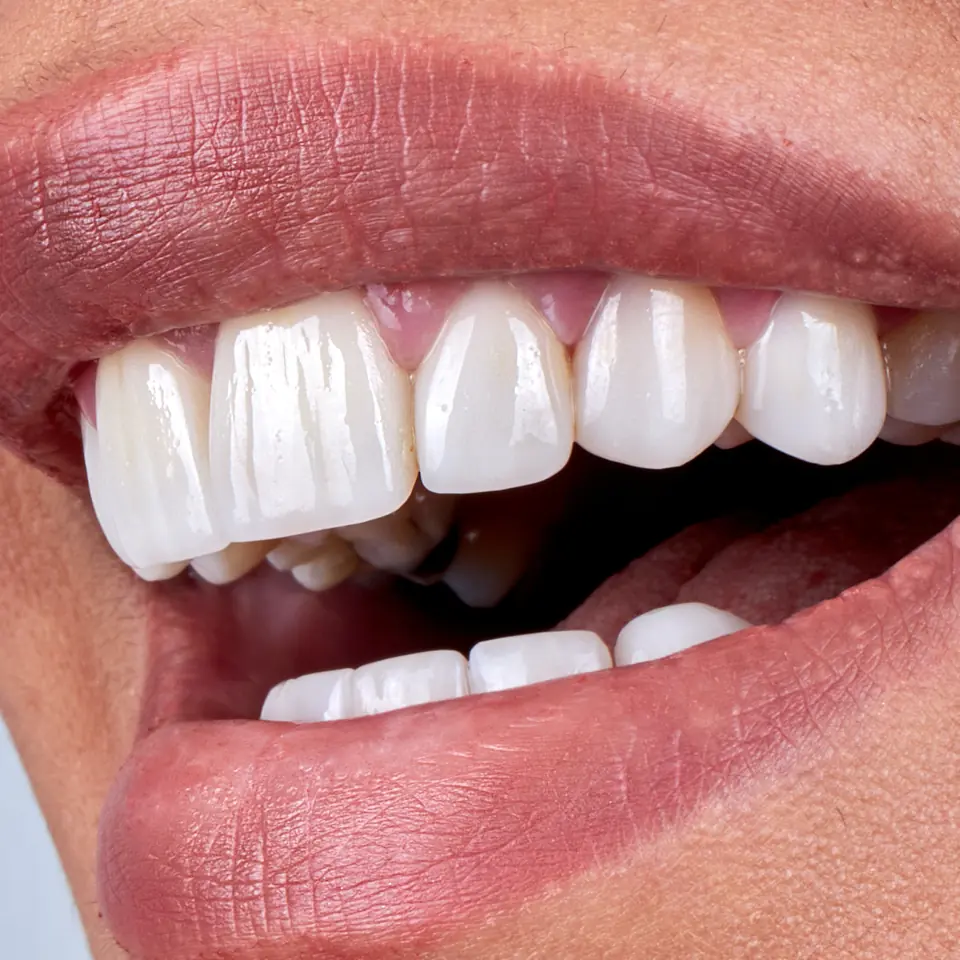
Professional teeth whitening can noticeably brighten natural teeth, especially when discoloration comes from coffee, tea, wine, tobacco, or normal aging.
Results vary because starting shade, stain type, enamel condition, previous dental work, and treatment method all influence the final outcome. Reviewing realistic teeth whitening results before booking can help you understand what the treatment can and cannot change.
Some patients see a dramatic improvement after one visit, while others need additional sessions or take-home treatment. A dental evaluation helps set safe expectations and identify concerns that could affect whitening success.
What Results Can I Expect From Professional Teeth Whitening?
Professional teeth whitening can make natural teeth several shades lighter, but the exact improvement differs from person to person. The best results usually occur when discoloration is located on or near the outer surface of the tooth.
What Professional Whitening Can Improve
Common surface stains from coffee, tea, red wine, dark foods, and tobacco often respond well to whitening. Age-related yellowing can also improve because whitening agents penetrate the tooth and break down pigmented compounds.
Patients should expect a brighter overall appearance rather than a perfectly uniform white shade. Natural teeth have variations in color, translucency, and thickness that remain visible after treatment.
What Whitening Cannot Change
Crowns, veneers, bonding, fillings, and other tooth-colored restorations do not whiten the same way natural enamel does. If these restorations are visible when you smile, their existing shade may become more noticeable after treatment.
A dental professional can identify these limitations before whitening begins and discuss whether restorative changes may be appropriate later.
Comparing standardized before-and-after photos taken under similar lighting can also help patients judge likely improvement more realistically than heavily edited promotional images or filters online.
How Long Do Whitening Results Last?
Whitening results can last from several months to a few years, depending on diet, oral hygiene, tobacco use, and how frequently teeth are exposed to staining substances.
Results are not permanent because teeth naturally accumulate color over time.
Habits Affect Longevity
Coffee, tea, wine, cola, berries, tobacco, and strongly pigmented foods can gradually darken teeth again. Frequent exposure usually shortens the time between touch-ups.
Brushing twice daily, flossing, and attending routine dental cleanings can help maintain the appearance of whitened teeth.
Touch-Up Treatment May Help
Some patients use dentist-supervised take-home trays or occasional touch-up treatments after their initial whitening. The appropriate frequency depends on sensitivity, staining habits, and the whitening system used.
Avoid whitening more often than recommended. Overuse can increase sensitivity and irritate gum tissue without providing better long-term results.
Can Teeth Whitening Remove Deep Stains?
Some deep stains can improve, but internal discoloration is usually more difficult to whiten than surface staining. The cause of the color change matters.
Extrinsic Versus Intrinsic Staining
Extrinsic stains develop on the outside of teeth from foods, drinks, smoking, and other exposures. These often respond predictably to professional whitening.
Intrinsic stains occur within the tooth structure. They may develop from aging, trauma, certain medications, excessive fluoride exposure during tooth development, or changes inside an individual tooth.
When Whitening May Not Be Enough
A tooth darkened after trauma or root canal treatment may require a different whitening approach or restorative treatment. Gray or deeply discolored teeth can also respond less predictably than yellow-toned teeth.
An examination helps determine whether whitening is likely to produce the result you want.
Is Professional Whitening Better Than Whitening Strips?
Professional whitening usually offers stronger customization, professional supervision, and faster results than over-the-counter strips. Whitening strips can still help with mild surface discoloration when used correctly.
Why Professional Treatment Is More Controlled
Dentists can evaluate tooth and gum health before treatment, select an appropriate whitening method, and adjust treatment based on sensitivity and discoloration.
Professional systems also provide more consistent contact with tooth surfaces than standard strips, particularly around curved teeth and hard-to-reach areas.
Where Whitening Strips Fit
Whitening strips can be convenient and less expensive for patients with mild staining. Results usually develop gradually and depend heavily on consistent use.
Strips may not fit every smile evenly, and they cannot correct discoloration caused by restorations or certain internal stains.
For patients considering teeth whitening in Cleburne, TX, a dental consultation can help determine whether professional treatment, supervised take-home whitening, or another cosmetic dentistry option best matches their needs.
How Many Whitening Sessions Will I Need?
Some patients achieve their desired shade after one professional session, while others need multiple appointments or additional take-home whitening. Treatment time depends on the original tooth shade, type of staining, whitening system, and individual response.
Starting Shade Matters
Patients with yellow or mildly stained teeth may respond faster than those with gray, brown, or deeper internal discoloration.
The goal should be a natural-looking improvement rather than pursuing the lightest possible shade regardless of tooth characteristics.
Sensitivity Can Influence Treatment
Temporary tooth sensitivity is a common concern during whitening. If sensitivity develops, the dentist may shorten sessions, adjust product strength, recommend desensitizing products, or space treatments farther apart.
More treatment is not always better. Whitening should stop when the desired safe result is reached or when additional sessions are unlikely to provide meaningful improvement.
Are Whitening Results Different For Every Patient?
Yes. Whitening results differ because tooth color, enamel thickness, dentin shade, age, stain type, dental restorations, and lifestyle habits vary between patients.
Two people using the same whitening system can finish with noticeably different shades.
Natural Tooth Structure Affects Color
Enamel is partly translucent, so the underlying dentin contributes significantly to overall tooth color. Dentin naturally becomes darker with age, which can affect how bright teeth appear after whitening.
Teeth may also respond unevenly when some areas contain deeper staining than others.
Dental Work Changes The Visual Result
Existing crowns, veneers, bonding, or fillings keep their original color. Whitening surrounding natural teeth can create a mismatch if restorations were previously matched to a darker shade.
For this reason, cosmetic treatment planning may involve whitening first and replacing visible restorations later if needed. Depending on the situation, options such as dental bonding, porcelain veneers, or porcelain crowns may be considered.
How Soon Will I See Results After Treatment?
Professional whitening can produce visible results immediately after treatment, although the final shade may be easier to judge after the teeth rehydrate.
Initial Brightness Can Change Slightly
Teeth may appear especially bright immediately after in-office whitening because they temporarily lose moisture. As normal hydration returns, the shade can settle slightly.
Your dentist may recommend waiting before making decisions about replacing crowns, bonding, or other restorations based on the new tooth color.
Take-Home Whitening Takes Longer
Dentist-supervised take-home systems usually produce gradual changes over several days or weeks. Consistent use according to instructions is important.
Do not increase the amount of whitening gel or wear trays longer than directed in an effort to accelerate results. Doing so can increase sensitivity or gum irritation.
Photographs taken before and after treatment can provide a more objective comparison than memory alone.
Key Takeaways
Professional whitening can noticeably brighten natural teeth, but the final result depends on starting shade, stain type, enamel characteristics, restorations, and individual response.
- Surface stains often improve more predictably than deep internal discoloration.
- Results may last months or years depending on diet, tobacco use, oral hygiene, and touch-up habits.
- Crowns, veneers, fillings, and bonding do not whiten like natural teeth.
- A dental evaluation before treatment helps identify limitations, manage sensitivity, choose an appropriate whitening method, and establish realistic individualized expectations for how much your smile may change safely over time.
See What Whitening Could Do for Your Smile
Benage Dental Care can help you decide whether teeth whitening is appropriate for your smile and what type of result is realistic. A professional evaluation allows the dental team to look for cavities, gum concerns, restorations, and stain patterns that may affect treatment.
If you are interested in a brighter smile, we can discuss whitening options based on your current tooth color, sensitivity, dental history, and goals. Reviewing expected results before treatment can help you choose an approach that improves your smile while keeping oral health and comfort at the center of the plan.
You can also explore Benage Dental Care’s smile gallery or learn more about the practice’s tooth whitening charity drive.