

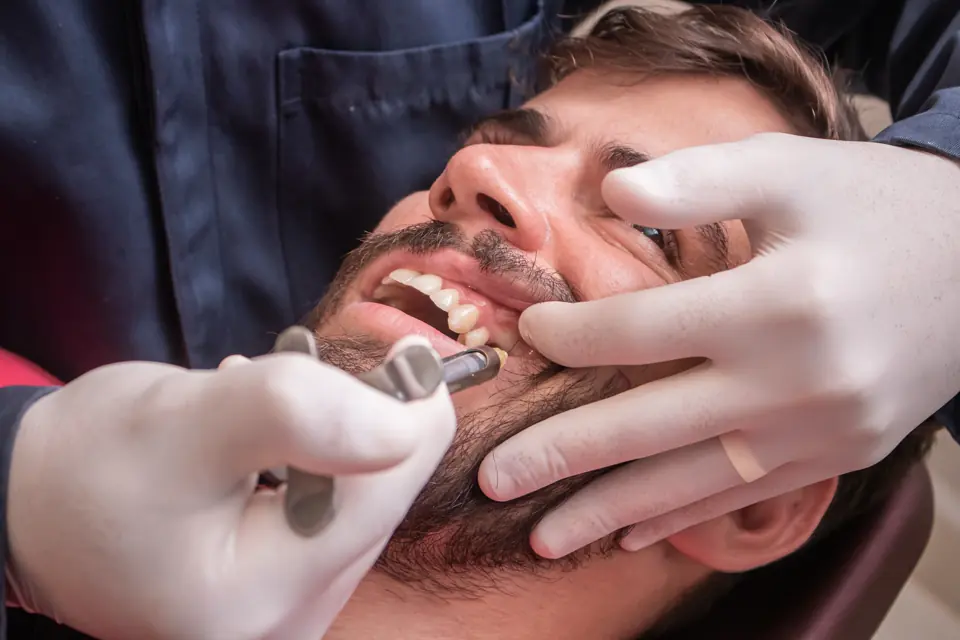
Tooth extractions are often viewed as personal medical decisions, but when they go untreated, the effects stretch far beyond individual dental pain. Communities suffer in ways most people don’t realize—through rising healthcare costs, overloaded medical systems, and avoidable long-term health issues.
When extractions are delayed, infections spread, dental emergencies increase, and residents face steeper medical bills that place pressure on families, hospitals, and local resources.
We see firsthand how much damage delayed treatment can create, not just for the patient but for the broader community. Understanding the connection between oral health and community wellbeing helps highlight why access to timely dental care matters so much. Below, we explore how untreated extractions affect community health, strain healthcare networks, and increase financial burdens for everyone.
How Untreated Tooth Extractions Impact Overall Community Health?
A tooth that needs extraction but remains untreated becomes more than a painful inconvenience. It becomes a potential source of infection, inflammation, and systemic health complications. When this happens at scale across a community, the impact becomes widespread.
Untreated dental issues lead to:
- Increased infections that can spread to the jaw, bloodstream, or facial tissues
- Greater rates of chronic inflammation, which may worsen diabetes and cardiovascular conditions
- Higher emergency room visits, as residents seek relief when pain becomes unbearable
- Reduced quality of life, affecting sleep, nutrition, and mental health
- More work and school absences, weakening community productivity
Poor oral health doesn’t stay contained. Families, workplaces, and neighborhoods all feel the consequences. Communities with high rates of untreated dental needs often experience more communicable infections, higher inflammation-related illnesses, and poorer overall health.
Dental care is healthcare. When extractions go untreated, the community becomes more vulnerable to preventable health problems that ripple outward.
What Long-Term Problems Arise in a Community When Extractions are Delayed?
Delayed extractions create a chain reaction of problems that grow more severe—and more expensive—the longer treatment is postponed. These issues often affect residents from all backgrounds, but particularly those without consistent access to dental care.
Some of the most common long-term consequences include:
1. Higher Rates of Oral Infections
Abscesses, gum infections, and bone infections become more common when unhealthy teeth remain in place. These cases often require antibiotics, emergency surgery, or even hospitalization.
2. Spread of Bacteria to Other Parts of the Body
Untreated dental infections can influence heart health, lung function, and other organ systems. Communities with limited dental access often show higher rates of preventable systemic illnesses.
3. Increased Tooth Loss Across the Population
One untreated extraction often leads to more dental issues. Neighboring teeth shift, weaken, or become infected, compounding the problem and creating a community trend of declining oral health.
4. Difficulty Eating and Poor Nutrition
When residents can’t chew properly, they often switch to soft, processed foods. Over time, community-wide nutritional deficiencies develop, impacting children as well as older adults.
5. Reduced Job Stability and Economic Opportunity
Persistent dental pain affects concentration and job performance. Severe dental problems also affect confidence, which can reduce employment opportunities for working adults.
6. Behavioral and Emotional Stress
Chronic oral pain contributes to anxiety, depression, irritability, and social withdrawal. Communities with untreated dental needs often experience lower emotional wellbeing overall.
These long-term issues weaken community health and stability. They affect children, adults, and seniors—and the results can last for generations.
How Lack of Proper Dental Care Affects Local Healthcare Systems?
When residents lack access to timely dental care, including necessary tooth extractions, local healthcare systems feel the impact almost immediately. Hospitals, urgent care clinics, and emergency departments become overloaded with dental cases they are not designed to handle.
The strain includes:
- Overflow of dental emergencies at ERs, which generally cannot provide full dental treatment
- Increased use of temporary fixes, such as pain medication or antibiotics, without addressing the root cause
- Longer wait times for non-dental emergencies, as ER staff handle more avoidable dental issues
- Higher costs for hospitals, which often treat uninsured patients at a financial loss
- Greater administrative burden, as repeat dental cases return multiple times due to lack of proper treatment
Most ERs cannot perform extractions. Instead, they offer temporary relief and instruct patients to see a dentist, meaning the underlying problem returns quickly. This cycle drains local healthcare systems and repeats itself until the tooth is finally removed.
Communities with consistent dental access experience far fewer dental ER visits. Communities without it see growing pressure on emergency resources—which affects everyone, even patients with non-dental needs.
Why Communities Face Higher Medical Costs When Tooth Extractions are Not Addressed?
Ignoring necessary tooth extractions turns small, manageable dental problems into expensive medical crises. These costs impact individuals, families, insurers, hospitals, and the public sector.
Here’s why untreated dental issues drive up community medical expenses:
1. Emergency Room Visits Are More Costly Than Dental Visits
Treating pain temporarily often costs far more than performing an extraction. Many patients end up returning multiple times, multiplying costs unnecessarily.
2. Infections Lead to Hospitalization
Severe abscesses or spreading infections require costly inpatient treatment, IV antibiotics, surgery, and follow-up care.
3. Lost Productivity Adds Economic Strain
When residents miss work due to pain, infection, or dental emergencies, local businesses lose productivity and communities lose tax revenue.
4. Families Pay More for Crisis Care
Emergency care is often far more expensive out-of-pocket, especially for uninsured or underinsured families. These high medical bills impact long-term financial stability.
5. Public Health Funds Become Stretched
Government-funded healthcare programs spend more on preventable issues, reducing funds available for community programs, schools, and infrastructure.
6. Preventable Problems Lead to More Major Procedures
A simple extraction becomes a root canal, bone graft, deep cleaning, or other expensive treatment if ignored for too long.
Communities pay more financially and structurally when basic dental needs aren’t met. Prioritizing timely care reduces costs for everyone.
Protect Your Health and Your Community With Early Dental Care
Untreated dental problems affect far more than your smile—they impact your health, your family, and your community.
At Benage Dental Care, we’re committed to providing timely, compassionate care that prevents small issues from turning into major emergencies. If you’re experiencing dental pain, swelling, or signs of infection, don’t wait.
Early treatment can protect your overall health, reduce long-term medical costs, and support a stronger, healthier local community. Contact our team today to schedule an evaluation and take the first step toward safer, more effective dental care that benefits everyone.