

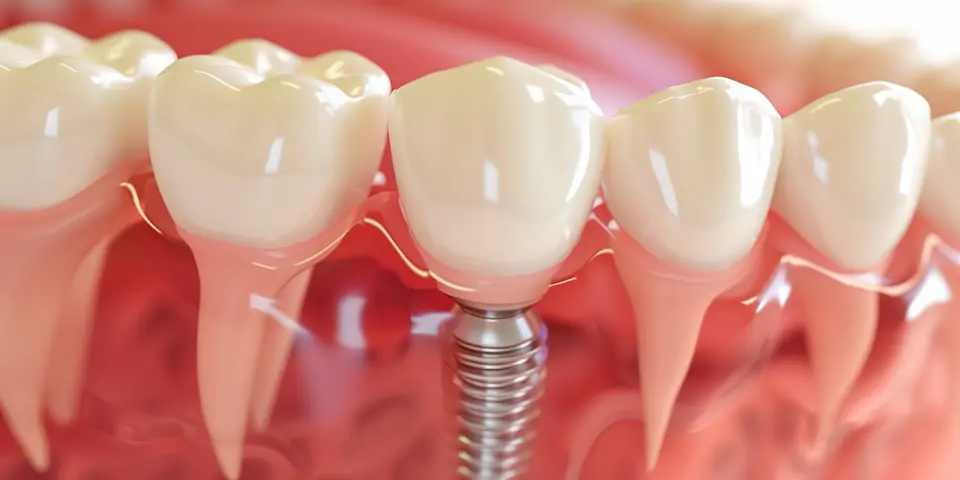
Dental implants are fixed tooth replacements placed into the jaw, while dentures are removable appliances that replace missing teeth.
The better option depends on bone health, budget, comfort expectations, and how permanent you want the solution to feel. Implants usually offer stronger chewing, better stability, and long-lasting support. Dentures cost less upfront and work for many patients who need several teeth replaced quickly.
Understanding the real differences helps patients compare daily comfort, appearance, maintenance, cost, and long-term oral health before choosing treatment with a dentist and future dental needs clearly.
Which Is Better, Dental Implants Or Dentures?
Dental implants are often better for patients who want a stable, long-term replacement that feels closer to natural teeth. They are anchored in the jawbone, so they do not slip during speaking or chewing.
Dentures are often better for patients who need a more affordable or faster replacement option. They can replace several missing teeth or a full arch without implant surgery.
Neither option is best for every patient. The right choice depends on health, bone volume, number of missing teeth, timeline, budget, and personal comfort.
Function matters most
Implants provide stronger bite support because they replace the tooth root. Dentures rest on the gums and may move, especially when the jawbone changes over time.
For patients comparing dentures vs dental implants, the biggest question is not only appearance. It is how the teeth will feel during meals, conversations, and daily routines.
Patients interested in learning more about modern dental implant treatment and dentures can discuss which option best matches their needs during a personalized consultation.
How Long Do Dental Implants Last Compared To Dentures?
Dental implants can last decades with proper care, and the implant post may last a lifetime for many patients. The crown, bridge, or denture attached to the implant may need replacement later because normal chewing causes wear.
Traditional dentures usually last about 7 to 10 years with good care. They may need adjustments sooner if the gums shrink or the jawbone changes shape.
This difference matters because dentures may cost less at first but often need relines, repairs, adhesives, or replacement. Implants usually cost more upfront, but they may provide stronger long-term value.
Maintenance affects lifespan
Both options need care. Implants require brushing, flossing, regular dental visits, and healthy gums. Dentures require daily cleaning, overnight storage, and periodic fit checks.
Good habits protect the investment. Poor oral hygiene can lead to gum disease around implants or sore, irritated tissue under dentures. Maintaining routine general dentistry visits also helps protect both restorations over the long term.
Are Dental Implants More Comfortable Than Dentures?
Dental implants are usually more comfortable because they stay fixed in place. They do not press on the gums the same way removable dentures can.
Dentures can feel comfortable when well made and properly fitted. However, they may loosen over time because the bone and gums naturally change after tooth loss.
Loose dentures can cause rubbing, sore spots, clicking, or difficulty eating certain foods. Adhesives may help, but they do not solve every fit issue.
Comfort depends on fit and anatomy
Some patients adapt well to dentures. Others struggle with movement or gagging. Implant-supported dentures can help because implants add stability while still replacing multiple teeth.
A dentist should evaluate bite, gum health, bone support, and jaw movement before recommending treatment. Comfort is not just about the appliance. It is about how that appliance works with the mouth.
Do Dental Implants Look More Natural Than Dentures?
Dental implants often look more natural because crowns and implant bridges emerge from the gum area more like real teeth. They are custom shaded and shaped to match the smile.
Modern dentures can also look natural when designed carefully. High-quality denture teeth, proper gum coloring, and good bite alignment can create a realistic appearance.
The challenge with dentures is fit over time. If bone loss changes the ridge, the denture may shift or affect facial support. This can change the way the mouth and cheeks look.
Bone support affects appearance
Implants help stimulate the jawbone because they replace the root structure. Dentures do not provide the same stimulation.
When bone shrinks, the lower face may lose support. This is one reason implants are often preferred when patients want a stable, natural-looking result over many years. You can also read why dental implants are becoming the status symbol of a confident smile for additional insight into their long-term benefits.
What Are The Disadvantages Of Dental Implants?
The main disadvantages of dental implants are cost, treatment time, surgery, healing, and the need for enough healthy bone. Not every patient is ready for or suited to implant treatment.
Implants may require bone grafting if the jawbone is too thin or weak. Some patients need extractions, gum treatment, or medical clearance before surgery.
Treatment can take several months because the implant must heal and integrate with the bone. This process helps create strength, but it also means implants are not usually a same-day final solution.
Risks to understand
Implant risks can include infection, nerve irritation, sinus problems, implant failure, crown damage, or gum inflammation. These risks are lower when treatment is planned carefully and maintained well.
Patients with uncontrolled diabetes, heavy smoking, untreated gum disease, or certain medical conditions may face higher risk. A complete consultation is important before choosing dental implants. Patients who want to separate myths from facts may also find Let’s Debunk Some Dental Implant Myths helpful.
Can Dentures Be Replaced With Dental Implants?
Yes, dentures can often be replaced with dental implants. Some patients replace removable dentures with fixed implant bridges. Others choose implant-supported dentures for better stability.
Implant-supported dentures can snap onto implants or attach to a bar system. This helps reduce movement and can improve chewing confidence.
The process starts with an exam, X-rays, and sometimes a 3D scan. The dentist checks bone volume, gum health, bite position, and medical history.
Existing denture wearers may need planning
Long-term denture wear can lead to bone loss. If the bone has changed significantly, grafting or a different implant approach may be needed.
The good news is that many denture wearers still qualify for implant options. The plan may simply need to be staged for safety, fit, and predictable results.
How Much Do Dental Implants Cost Compared To Dentures?
Dentures usually cost less upfront than dental implants. A complete denture can range from a basic affordable appliance to a higher-end custom prosthesis.
A single implant with a crown often costs several thousand dollars. Full-mouth implant treatment can cost much more because it may involve multiple implants, surgery, temporary teeth, final prosthetics, and follow-up care.
Cost varies by location, materials, dentist experience, imaging, grafting needs, and the number of teeth being replaced. Insurance coverage also varies widely.
Patients should also ask whether the quoted denture price includes impressions, try-ins, extractions, relines, or future adjustments. For implants, the quote should clarify the surgical post, abutment, crown, imaging, grafting, sedation, and maintenance visits. Clear pricing prevents confusion because two treatment plans can use the same general label but include very different services, materials, and follow-up responsibilities. That detail matters when comparing care options and long-term value over time.
Compare total value, not just price
Dentures may be easier to afford first. Implants may offer better stability, longer lifespan, stronger chewing, and bone support.
Patients considering dental implants in Cleburne, TX should ask for a written treatment plan. It should explain all fees, stages, alternatives, and expected maintenance. Patients can also review insurance and payment options before beginning treatment.
Final Thoughts
Dental implants and dentures both replace missing teeth, but they work differently. Implants are fixed, stable, long-lasting, and help support the jawbone.
Dentures are removable, more affordable upfront, and useful for replacing several teeth. Implants usually feel more natural, but they require surgery, healing time, and a higher investment. Dentures may need adjustments or replacement as the mouth changes.
The best option depends on oral health, bone support, budget, lifestyle, and comfort goals, so a personalized dental exam is the right starting point.
Restore Comfort and Confidence With Benage Dental Care
At Benage Dental Care, we help patients compare tooth replacement options with clear guidance and practical expectations. Our goal is to recommend treatment that fits health, lifestyle, comfort, and budget.
We take time to explain the difference between dentures, implants, and implant-supported options so patients can make informed decisions. Whether you need one tooth replaced or a full-arch solution, we focus on function, appearance, stability, and long-term oral health.
If you’re ready to explore your options, book an appointment with our team or contact us to schedule your consultation.