

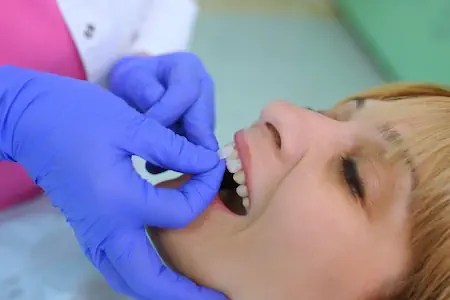
A Dental Crown Restoration can often repair and protect a cracked or severely damaged tooth when enough healthy tooth structure remains to support treatment. In many cases, a dental crown restores function, strengthens the tooth, and helps prevent additional damage that could otherwise lead to extraction.
Cracked teeth and extensive decay are common dental concerns that can affect both oral health and daily comfort. The severity of the damage determines the appropriate treatment approach. Understanding when a crown is recommended and how it protects the tooth can help patients make informed decisions about restoring their smile and preserving natural teeth whenever possible.
Can A Crown Restore A Cracked Tooth Completely?
Understanding Tooth Cracks
Not all tooth cracks are the same.
Some cracks affect only the outer enamel, while others extend deeper into the tooth structure. The location, size, and depth of the crack determine whether a crown is an effective treatment option.
How A Crown Repairs A Cracked Tooth
A dental crown covers the entire visible portion of the tooth.
This protective covering helps hold the tooth together and distributes biting forces more evenly across the surface. By reducing pressure on weakened areas, the crown helps prevent the crack from worsening.
When Crowns Are Most Effective
Crowns are often recommended when a crack affects a large portion of the tooth but has not extended beyond repair.
If the crack is identified early, treatment can stabilize the tooth and restore normal function. Many patients can continue using the tooth comfortably for years after crown placement.
Limitations Of Crown Treatment
A crown cannot reverse an existing crack.
Instead, it protects the remaining healthy structure and reduces the risk of further damage. If the crack extends below the gumline or into the root, more extensive treatment may be necessary.
Importance Of Early Evaluation
Prompt diagnosis increases the likelihood of saving a damaged tooth.
The sooner treatment begins, the better the chances of preserving natural tooth structure and avoiding more complex procedures.
When Is A Crown Better Than A Filling For Tooth Damage?
The Difference Between Fillings And Crowns
Fillings replace small areas of damaged tooth structure.
Crowns provide full coverage by surrounding the entire visible portion of the tooth. This broader protection makes crowns a better choice for more extensive damage.
Large Cracks And Fractures
When a tooth has a significant crack or fracture, a filling may not provide enough support.
A crown helps reinforce the remaining tooth structure and protects it from the forces generated during chewing and biting.
Extensive Decay
Large cavities can weaken a tooth substantially.
If too much structure has been lost, a filling alone may leave the tooth vulnerable to fracture. A crown provides additional strength and stability.
Teeth With Previous Dental Work
Teeth that already contain large fillings may be more susceptible to cracking.
A crown can help protect these teeth by replacing the weakened outer structure with a durable restoration.
Long-Term Durability
For many patients, crowns offer a longer-lasting solution when compared to repeatedly replacing large fillings.
The additional protection can help reduce the likelihood of future complications. Patients interested in restoration options may also find value in learning about why dental crowns are quietly replacing bigger dental procedures.
Does A Crown Protect A Tooth From Further Cracking?
Reinforcing Weak Tooth Structure
One of the primary benefits of a crown is protection.
By covering the tooth completely, the crown helps reinforce areas that have become weakened by decay, fractures, or previous dental procedures.
Distributing Bite Forces
Everyday chewing creates pressure on teeth.
A crown helps distribute these forces evenly across the tooth surface, reducing stress on vulnerable areas and decreasing the likelihood of additional cracking.
Protecting After Injury
Teeth that have experienced trauma often benefit from crown placement.
The restoration provides structural support that helps stabilize the tooth and improve long-term function.
Preventing Future Complications
Untreated cracks can continue to grow over time.
As the crack expands, it may reach deeper layers of the tooth, increasing the risk of infection, pain, and tooth loss. Crown treatment helps reduce these risks.
Can A Crown Guarantee Protection?
No dental restoration can guarantee complete protection.
However, when properly designed and maintained, crowns significantly improve the strength and durability of compromised teeth.
Many patients seeking to Fix Cracked Tooth with Crown treatment experience substantial improvements in both comfort and function. For additional insight, read the crown comeback: how modern dentistry is redefining restoration.
Can Severely Decayed Teeth Still Be Saved With A Crown?
Evaluating The Extent Of Decay
The possibility of saving a severely decayed tooth depends on how much healthy structure remains.
Dentists evaluate the extent of decay using clinical examinations and digital imaging before recommending treatment.
Removing Damaged Tissue
Before placing a crown, decayed areas must be removed.
This process eliminates infection and creates a healthy foundation for the restoration. The goal is to preserve as much natural tooth structure as possible.
Crown Placement After Decay Removal
Once the tooth is cleaned and prepared, a crown can restore its shape, strength, and function.
The crown acts as a protective shell that allows the tooth to continue functioning normally.
Cases Where A Crown May Not Be Enough
If decay has destroyed too much of the tooth or extended into critical areas, additional treatment may be required.
Some teeth may need root canal therapy before crown placement, while others may be beyond restoration and require extraction.
Saving Natural Teeth Whenever Possible
Dentists generally prioritize preserving natural teeth whenever feasible.
A crown often plays an important role in helping patients maintain their natural dentition and avoid tooth replacement procedures.
Will You Need A Root Canal Before Getting A Crown?
Not Every Crown Requires A Root Canal
Many patients receive crowns without needing root canal treatment.
A crown alone may be sufficient when the tooth remains healthy internally and the nerve has not been affected.
When Root Canal Therapy Is Recommended
Root canal treatment may be necessary if infection, deep decay, or trauma has reached the tooth’s pulp.
Symptoms may include persistent pain, sensitivity, swelling, or evidence of infection on dental images.
Why Crowns Follow Root Canal Treatment
After a root canal, the tooth may become more brittle.
A crown helps protect the treated tooth by providing strength and reducing the risk of fracture.
The Treatment Process
If a root canal is required, it is typically completed before the crown is placed.
Once healing progresses appropriately, the crown can be fabricated and secured to the prepared tooth.
Individualized Treatment Planning
Every case is different.
Your dentist will evaluate the condition of the tooth and recommend whether a crown alone or a combination of treatments is necessary.
How Strong Is A Crown Compared To A Natural Tooth?
Modern Crown Materials
Today’s crowns are made from durable materials designed to withstand normal chewing forces.
Common materials include:
- Porcelain
- Ceramic
- Zirconia
- Metal alloys
- Porcelain-fused-to-metal restorations
Strength And Durability
Many modern crowns are extremely strong and can perform effectively for years with proper care.
They are designed to restore function while maintaining a natural appearance.
Protecting The Underlying Tooth
The crown’s strength helps protect the remaining tooth structure underneath.
This added support is especially important for teeth that have been weakened by damage or extensive treatment.
Daily Function
Most patients can eat, speak, and smile confidently after receiving a crown.
The restoration is custom-made to fit comfortably and function similarly to a natural tooth.
Long-Term Success
Patients seeking Dental Crown Treatment Cleburne, TX often find that properly maintained crowns provide dependable performance and help preserve their natural teeth for many years.
Regular dental visits and good oral hygiene contribute significantly to long-term success. To better understand longevity expectations, read how long dental crowns last with proper care.
Restore Your Smile With Confidence
At Benage Dental Care, we understand how concerning a cracked or severely damaged tooth can be. We take the time to evaluate your tooth carefully, explain your treatment options, and recommend solutions that prioritize long-term oral health.
Whether you need a dental crown, root canal treatment, or another restorative procedure, we are committed to helping you preserve your natural teeth whenever possible. Our goal is to restore comfort, function, and confidence with personalized care designed around your individual needs.
If you’re ready to explore treatment options, you can book an appointment or contact our office for guidance.
Final Thoughts
Dental crowns are highly effective for restoring and protecting cracked, weakened, or severely damaged teeth when enough healthy structure remains. They provide full coverage, improve strength, distribute bite forces, and help prevent additional damage. In some situations, root canal treatment may be necessary before crown placement, particularly when infection or deep decay affects the tooth’s pulp. Early evaluation is important because timely treatment improves the chances of preserving natural teeth. With proper care, a dental crown can provide lasting protection, restore function, and support long-term oral health and confidence.