

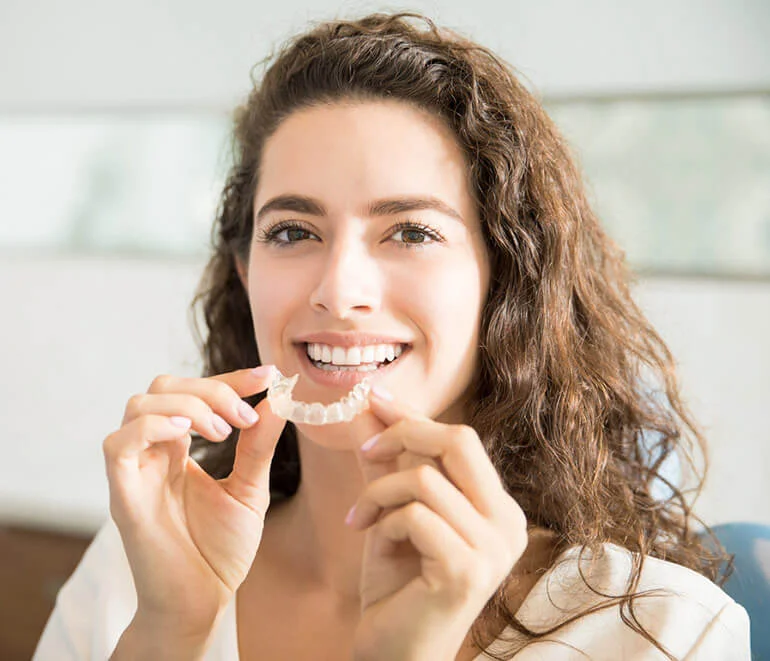
Clear aligners can be better than traditional braces for adults who have suitable orthodontic problems and can wear trays consistently. Traditional braces may be more dependable for complex tooth movements, severe bite problems, or cases requiring precise control.
The best option depends on alignment, jaw relationships, gum health, lifestyle, budget, and treatment discipline. Adults should choose after a dental and orthodontic evaluation, not appearance alone.
Both methods can improve function and appearance, but each has different strengths, limitations, cleaning needs, and responsibilities throughout treatment for successful long-term results overall.
Are Clear Aligners As Effective As Traditional Braces?
Clear aligners can be as effective as braces for many mild to moderate alignment problems when treatment is planned and trays are worn as directed. Braces remain useful because fixed brackets and wires provide continuous force and strong control over complicated tooth movements.
The American Dental Association recognizes both braces and aligners as appliances used to guide teeth into proper positions.
Effectiveness Depends On The Case
Aligners often work well for spacing, crowding, crooked teeth, and selected overbite, underbite, open-bite, or crossbite cases.
Braces may be preferred when teeth require major rotation, substantial vertical movement, extraction-space closure, or highly controlled root positioning. Patient cooperation also matters because removable trays cannot work while they are sitting in their case.
Adults interested in removable orthodontic treatment can learn more about SureSmile clear aligners and how they may be used for suitable alignment concerns.
How Long Does Clear Aligner Treatment Take For Adults?
Adult clear aligner treatment may take several months to two years or longer, depending on complexity, biological response, and compliance.
Wear Time Affects Progress
Most aligner plans require trays to be worn nearly full time, except while eating, drinking certain beverages, brushing, and flossing. Missing wear time can prevent teeth from tracking with the planned stages and may require refinements or replacement trays.
Treatment does not end when the final active tray is completed. Retainers are needed to stabilize the result because teeth can shift after either aligners or braces. The ADA identifies retainers as the appliances that preserve and stabilize orthodontic outcomes.
Adults with active lifestyles may also benefit from understanding the practical considerations of playing sports with SureSmile clear aligners.
What Dental Problems Can Clear Aligners Fix?
Clear aligners can correct many common orthodontic problems, including mild to moderate crowding, gaps, crooked teeth, and selected bite concerns. Their suitability depends on the cause and severity of the problem, not simply how the teeth look.
Common Treatable Conditions
The AAO lists crowded teeth, spacing, overbite, underbite, open bite, crossbite, and crooked teeth among conditions that may be treated with aligners.
Oral Health Comes First
Active decay and gum disease should be addressed before treatment. The AAO advises patients to complete needed dental work before scans because trays are made for the exact shape of the teeth. Regular general dental care should continue throughout treatment.
Patients with periodontal concerns may need gum disease treatment before beginning orthodontic care.
A full examination and imaging help determine whether clear aligners for adults can produce a healthy bite.
Are Clear Aligners More Expensive Than Braces?
Clear aligners may cost more, less, or about the same as braces.
A simple advertised price rarely reflects the full treatment. Patients should request a written estimate showing examinations, records, trays or brackets, adjustments, emergency visits, refinement sets, retainers, and follow-up care.
Compare Total Value
Aligners may offer convenience, easier cleaning, and a less noticeable appearance. Braces may provide stronger control for difficult movements without depending on daily tray wear.
Insurance plans may cover part of orthodontic treatment, but benefits, age limits, deductibles, and lifetime maximums vary. Patients can review available insurance and payment information before beginning treatment.
Cost should be compared with clinical suitability. Choosing an appliance that cannot reliably achieve the required movement may lead to delays, extra procedures, or a later switch in treatment.
Do Clear Aligners Work Faster Than Traditional Braces?
Clear aligners do not automatically work faster than braces. Treatment time depends mainly on the complexity of movement, the planned sequence, biological response, appointment attendance, and patient cooperation.
For mild cases, aligners may be efficient because digital planning organizes movement into staged trays. However, systematic reviews have not shown a consistent duration advantage for aligners in every type of case, and the available evidence remains varied.
Speed Should Not Replace Quality
Moving teeth too quickly can compromise comfort, tracking, or treatment control. A shorter estimate is not better if the final bite is unstable or important movements remain incomplete.
Braces apply continuous pressure because they remain attached. Aligners depend on wear time and proper seating. Lost trays, broken attachments, skipped appointments, or inconsistent use can extend treatment.
Adults should ask how the proposed timeline was calculated, which movements may be difficult, and how refinements or unexpected delays are handled before selecting an appliance.
Can Adults With Severe Misalignment Use Clear Aligners?
Some adults with severe misalignment can use aligners, but others achieve more predictable results with braces or a combined approach. Severity alone is not the only issue. The direction of movement, jaw relationship, tooth shape, bone support, and need for extractions also matter.
Complex Treatment May Need Additional Tools
Aligners can be combined with attachments, elastics, temporary anchorage devices, or limited braces. In other cases, fixed braces may provide better control from the beginning.
The AAO states that clear aligners are not right for everyone, while braces are particularly effective for complex or severe alignment problems.
Adults may also have gum recession, bone loss, restorations, missing teeth, or worn biting surfaces. These conditions require careful coordination with general dental or periodontal care.
A provider offering clear aligners in Cleburne, TX should explain whether aligners can reach the goals safely and what alternatives exist if they cannot.
What Are The Pros And Cons Of Clear Aligners?
Clear aligners are discreet, removable, and generally easier to clean around than fixed brackets. They can fit well with adult work, social, and eating routines when the patient follows the schedule carefully.
Advantages
The trays are less noticeable than metal braces. They can be removed for meals, brushing, and flossing, which may simplify daily hygiene. The AAO highlights aesthetics, removability, and easier oral care among major benefits.
Research also suggests aligners may create less disruption to daily life for some adults, although individual experience varies.
Limitations
Aligners require consistent wear and careful storage. They can be lost, stained, warped, or forgotten. Removing them frequently may slow treatment.
Some movements remain more predictable with braces. Attachments may also make trays more visible than patients expect.
Aligners must be removed before most food and drinks, then teeth should be cleaned before reinsertion. Braces involve food restrictions and more detailed brushing around brackets, but they remove the compliance problem because they stay attached.
Key Takeaways
Clear aligners can be an effective and discreet option for adults with suitable mild or moderate alignment problems. Braces often provide control for severe crowding, complicated bites, major rotations, or movements requiring precise root positioning.
Treatment speed and price depend on complexity, compliance, appliance design, insurance, and provider fees. Aligners require disciplined wear and careful cleaning, while braces remain fixed and demand detailed hygiene.
A complete examination should guide the choice. The best treatment is the method most likely to create a healthy, stable bite for each patient overall.
Choose An Adult Orthodontic Plan With Benage Dental Care
Benage Dental Care helps adults explore orthodontic options based on tooth alignment, bite function, oral health, lifestyle, and treatment goals. Our team can assess whether clear aligners are appropriate or whether another approach may offer better control.
For patients considering clear aligners in Cleburne, TX, a consultation can clarify expected timing, daily wear requirements, fees, limitations, and retention after treatment. Recommendations should be based on examination findings rather than appearance or convenience alone.
Book an appointment with us to discuss your concerns, compare available options, and choose a plan designed to support comfortable treatment and a stable long-term result.