
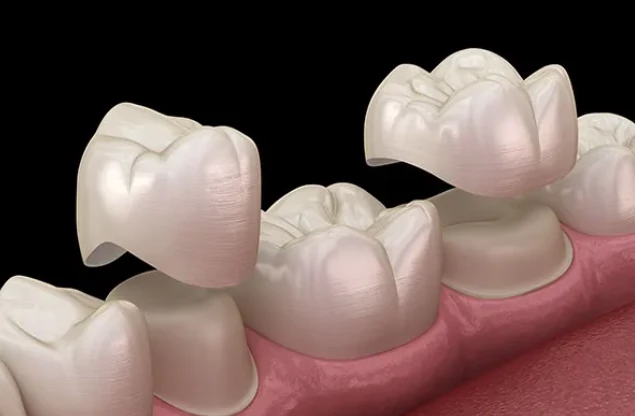
A dental crown typically costs $800 to $2,500 in the U.S. before insurance, with premium all-ceramic and zirconia crowns sometimes reaching $3,000. Most dental plans pay about 50% of a medically necessary crown after your deductible, so a common out-of-pocket share is $400 to $1,250. At Benage Dental Care in Cleburne, TX, the fee depends on the tooth and the complexity of the case; we check your insurance, give you a written estimate before treatment, and offer financing. Call (817) 641-6261 for a crown quote.
The average price varies widely because dental offices use different materials, laboratories, technology, and fee structures. A crown may cost roughly $800 to $2,500 before insurance, although local fees can fall outside that range.
What Changes the Price?
Porcelain, zirconia, metal, porcelain-fused-to-metal, and resin crowns have different manufacturing costs. Front teeth may require more detailed shade matching, while back teeth need materials that tolerate strong chewing forces.
The condition of the tooth also matters. A large cavity or fracture may require composite fillings or a core buildup to create enough support. Root canal therapy may be necessary if the nerve is infected or severely inflamed.
Diagnostic imaging, temporary crowns, sedation, gum treatment, and emergency care can add costs. Ask for a written treatment estimate that separates each procedure instead of relying on one advertised figure.
| Crown type | Typical U.S. cost (before insurance) | Typical patient share with 50% coverage | Typical lifespan |
|---|---|---|---|
| Porcelain-fused-to-metal | $800–$1,500 | $400–$750 | 10–15 years |
| All-ceramic / porcelain (incl. Emax) | $1,000–$2,500 | $500–$1,250 | 10–15 years |
| Zirconia | $1,000–$2,500 | $500–$1,250 | 15–20+ years |
| Gold / metal alloy | $800–$2,500 | $400–$1,250 | 20+ years |
| Resin (temporary or budget) | $300–$800 | $150–$400 | 3–5 years |
Ranges are typical U.S. figures. Add-ons such as a core buildup, root canal, X-rays, or sedation are billed separately. Your plan’s deductible and annual maximum change the patient share.
Does Dental Insurance Cover Crowns?
Many dental insurance plans cover part of a crown when it is considered medically necessary, but coverage is not guaranteed. Plans may apply deductibles, annual maximums, waiting periods, frequency limits, or alternate-benefit provisions.
Confirm the Plan Rules
A common policy may pay a percentage after the deductible, leaving the patient responsible for the remaining balance. Some plans cover a less expensive material and require the patient to pay the difference for another option.
Insurers may request X-rays, photographs, clinical notes, or information about the remaining tooth structure. A dentist’s recommendation does not automatically mean the plan will approve reimbursement. The American Dental Association notes that crown claims may be denied or processed under alternate-benefit policies even when treatment is clinically recommended.
Request a pretreatment estimate when possible, but remember that it is not always a payment guarantee. Confirm whether the dentist is in network, review the practice’s insurance and payment information, and ask how replacement frequency rules apply to an older crown.
How Long Do Dental Crowns Last?
Dental crowns commonly last five to fifteen years, although many remain functional longer with good care. Lifespan depends on material, fit, bite forces, oral hygiene, gum health, and habits. Patients can also learn more about dental crown lifespan and the changes they may notice over time.
Factors That Shorten Crown Life
Teeth grinding can chip porcelain, loosen cement, or overload the supporting tooth. Chewing ice, opening packages with teeth, and biting hard objects also increase damage risk.
Decay can develop where the crown meets the tooth, especially when plaque remains near the margin. Gum recession may expose root surfaces and affect appearance or sensitivity. In some cases, gum disease treatment may be needed to improve the health of the surrounding tissues.
Protecting the Restoration
Brush twice daily with fluoride toothpaste and clean between teeth every day. Attend routine examinations so the dentist can check the margin, bite, surrounding gums, and supporting tooth.
A night guard may be recommended for grinding. Contact the office if the crown feels loose, painful, uneven, or sensitive.
What Are the Different Types of Dental Crowns?
Common crown materials include ceramic, zirconia, porcelain-fused-to-metal, metal alloys, and resin-based materials. Each option balances appearance, strength, tooth reduction, laboratory requirements, and cost differently. The ADA groups indirect restorations into ceramics, metal alloys, metal-ceramics, and resin-based composites.
Ceramic and Porcelain
All-ceramic crowns can closely match natural enamel, making them popular for visible teeth. Their performance depends on the ceramic type, thickness, bite, and preparation design. Porcelain crowns can restore strength while providing a natural-looking appearance.
Zirconia
Zirconia is a strong ceramic used for front and back teeth. It can provide durability with a tooth-colored appearance, although translucency varies among formulations.
Porcelain-Fused-to-Metal
These crowns combine a metal substructure with an outer porcelain layer. They offer strength and appearance, but the porcelain may chip and a dark edge can become visible near receding gums.
Metal and Resin
Gold and other metal alloys are durable and require less tooth reduction in some situations, but their color is noticeable. Resin crowns may cost less but generally wear or fracture sooner.
Is Getting a Crown Better Than Extracting a Tooth?
A crown is usually preferable when the tooth can be predictably restored and supported. Keeping a natural tooth can preserve chewing function, spacing, and bone stimulation without creating a missing-tooth gap.
A crown may protect a weak, broken, worn, or heavily filled tooth. It is also commonly used after root canal treatment when the remaining structure needs coverage. Crowns can restore broken teeth, protect weak teeth, and cover dental implants. Understanding how dental crowns compare with natural teeth can help patients make informed restorative decisions.
When Extraction May Be Necessary
Extraction may be appropriate when decay extends too far below the gum, a fracture reaches the root, severe bone loss removes support, or infection cannot be controlled. The dentist must evaluate restorability before recommending either option.
Removing a tooth can lead to future costs for a dental implant, dental bridge, or denture. Leaving the space untreated may allow neighboring teeth to shift and alter the bite.
The least expensive immediate choice is not always the lowest long-term cost. Compare prognosis, replacement needs, treatment time, and health risks.
Can a Dental Crown Be Replaced If It Breaks?
A broken or loose crown can often be replaced, but the dentist must first examine the tooth underneath. The remaining tooth structure determines whether a new restoration can be supported safely.
Repair Versus Replacement
A small porcelain chip may sometimes be polished or repaired with dental bonding material. Larger fractures, recurrent decay, poor fit, or repeated loosening usually require replacement.
The dentist removes the old crown, cleans the tooth, checks for decay or cracks, and decides whether a buildup or root canal is needed. If the tooth cannot support another crown, extraction and replacement options may be discussed.
Do not glue a crown back with household adhesive. Save a detached crown, avoid chewing on that side, and arrange emergency dental care promptly. Temporary dental cement may be appropriate only when a dentist advises it.
Are Same-Day Crowns More Expensive Than Traditional Crowns?
Same-day crowns are not always more expensive. Fees depend on the dental office, material, digital equipment, case complexity, and whether insurance treats the procedure differently.
How Same-Day Crowns Work
The dentist prepares the tooth, scans it digitally, designs the restoration, and mills it onsite. The crown may be placed during the same visit, eliminating a temporary crown and laboratory waiting period. Crowns can sometimes be completed in one day, although traditional treatment often requires multiple appointments.
Traditional crowns are usually made by an outside laboratory. They may offer broader material choices or detailed customization for complex cosmetic cases, but they commonly require two appointments.
Convenience can reduce time away from work and lower the risk of a temporary crown coming loose. However, same-day technology is not ideal for every tooth or every material.
Compare total fees, expected appearance, material strength, appointment length, and the dentist’s recommendation rather than assuming one method automatically costs more.
Dental Crown Cost FAQs
How much is a crown without insurance?
Without insurance, a dental crown usually costs $800 to $2,500, depending on the material and the tooth. Porcelain-fused-to-metal is at the low end; all-ceramic, Emax, and zirconia crowns are at the higher end. Benage Dental Care in Cleburne, TX offers financing to spread the cost.
Does dental insurance cover crowns?
Most plans cover part of a crown when it is medically necessary, commonly 50% after the deductible, up to the plan’s annual maximum. Purely cosmetic crowns are usually not covered. Ask for a pretreatment estimate so you know your share before the appointment.
Are zirconia crowns worth the extra cost?
For back teeth and patients who grind, usually yes. Zirconia costs about the same as other all-ceramic crowns but resists chipping and often lasts 15 to 20 years or more, which can make it cheaper per year than a less durable option.
Key Takeaways
Dental crowns can protect weakened teeth, restore chewing, improve appearance, and reduce the risk of further fracture. Costs vary by material, location, insurance, laboratory work, and related treatment.
Insurance may cover part of a medically necessary crown, but deductibles, annual limits, and exclusions affect patient responsibility. Crowns often last five to fifteen years or longer with good hygiene and bite protection.
Saving a restorable tooth is usually preferable to extraction. Same-day and traditional crowns both have advantages, so the best choice depends on the tooth, budget, and clinical needs overall.
Protect Your Tooth With a Thoughtful Crown Plan
Benage Dental Care helps patients understand whether a crown is necessary, which material suits the tooth, and what costs may be involved. Our team can evaluate decay, fractures, existing fillings, bite forces, gum health, and cosmetic concerns before recommending treatment.
For patients considering dental crowns in Cleburne, TX, we can explain the treatment sequence, expected lifespan, insurance estimate, payment responsibilities, and available alternatives. Clear information makes it easier to compare the cost of restoring a tooth with the cost and consequences of extraction.
Book an appointment with Benage Dental Care in Cleburne, TX or call (817) 641-6261 to discuss a practical crown plan focused on comfort, function, appearance, and long-term oral health.